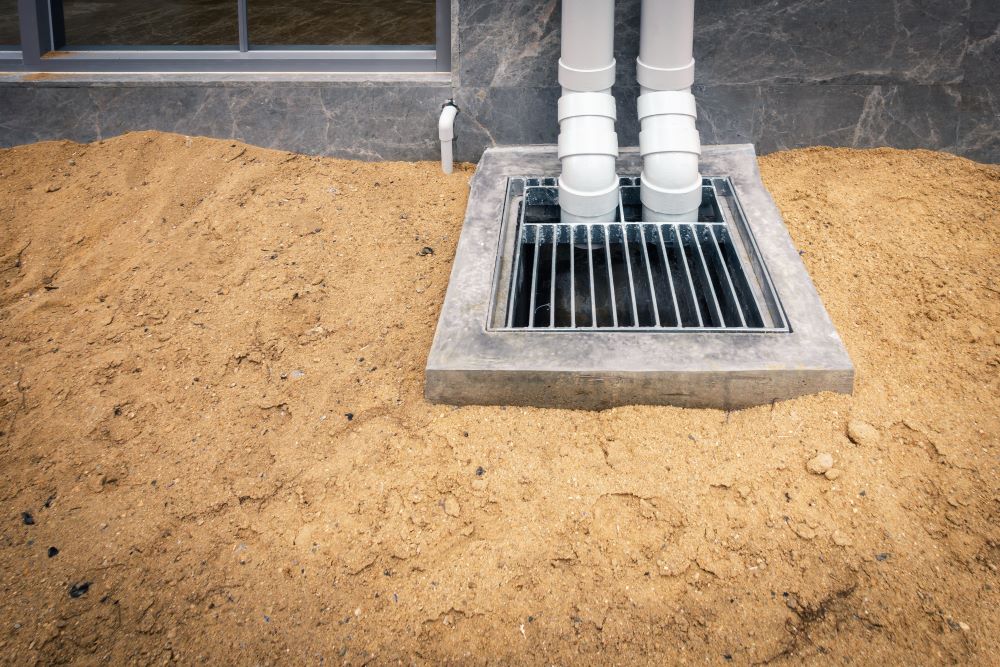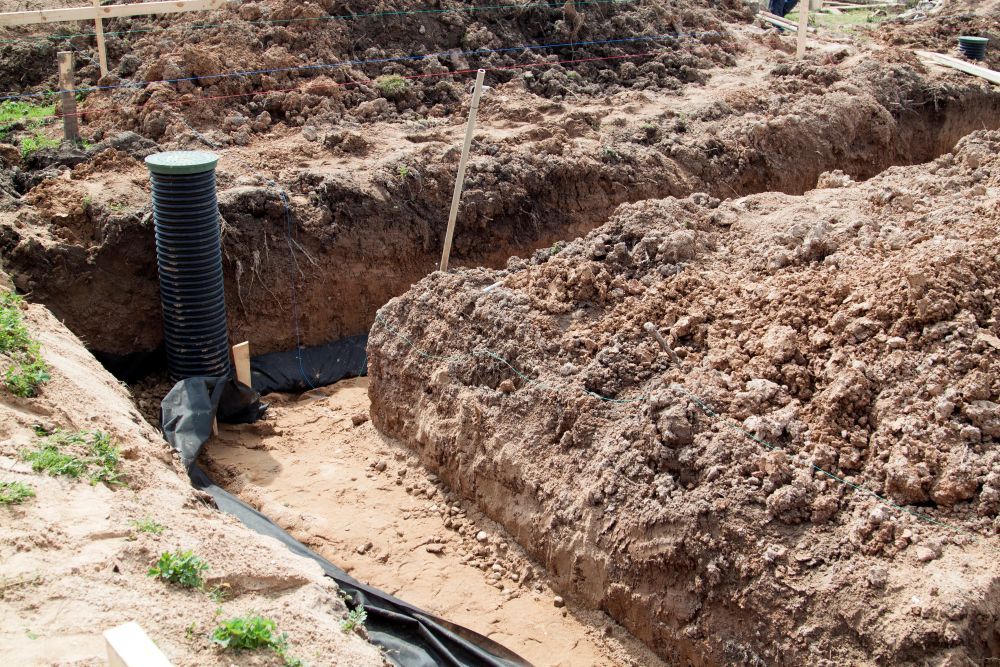
Residential drainage plays a fundamental role in protecting Auckland homes, yet it is often one of the least understood aspects of property maintenance. With Auckland’s frequent rainfall, high groundwater levels, and varied soil conditions, water management around residential properties is not optional.
Without effective drainage, excess water can quickly lead to structural damage, health risks, and costly repairs that impact both the liveability and value of a home.
Understanding why residential drainage is critical helps homeowners recognise early warning signs, prioritise preventative solutions, and make informed decisions that protect their property long term.
Why Residential Drainage Matters In Auckland
Auckland Rainfall And Soil Conditions
Auckland receives consistent rainfall throughout the year, often in heavy bursts that place significant pressure on residential drainage systems. Much of the region is dominated by clay-based soils, which drain slowly and retain moisture for extended periods.
When rainwater cannot disperse naturally through the ground, it accumulates around foundations, under buildings, and across outdoor areas. This combination of rainfall and soil behaviour makes effective drainage especially important for Auckland homes.
Why Drainage Problems Often Go Unnoticed
Drainage issues typically develop below ground, out of sight. In many cases, homeowners are unaware of a problem until visible damage appears, such as damp patches, mould, pooling water, or cracking around the home.
By the time these signs are noticed, water may have been affecting the structure for months or even years. This delayed visibility is why drainage problems are often more severe and expensive to resolve.
Reason 1: Residential Drainage Protects Home Foundations
How Water Affects Foundation Stability
Excess water around a home places constant pressure on foundation walls and slabs. Over time, this pressure can cause movement, cracking, or weakening of structural elements.
Water infiltration can also undermine soil beneath the foundation, reducing its ability to support the building evenly. This type of damage often develops slowly, making it difficult to detect until significant structural issues arise.
Why Clay Soils Increase Risk In Auckland
Clay soils expand when wet and contract when dry. Without proper drainage, repeated cycles of swelling and shrinking place stress on foundations, increasing the likelihood of movement and cracking. Effective residential drainage helps regulate moisture levels in the surrounding soil, reducing these fluctuations and protecting long-term structural stability.
Reason 2: Residential Drainage Helps Prevent Flooding
Managing Heavy Rainfall And Surface Water
In Auckland, even moderate rainfall can overwhelm poorly designed drainage systems. When stormwater cannot flow away from the home efficiently, it begins to pool around the building and across outdoor surfaces.
This increases the risk of water entering garages, crawl spaces, or lower floor levels. Effective drainage ensures water is directed away quickly, reducing the likelihood of flooding during heavy rain.
Reducing Risk In Low-Lying And Sloped Areas
Homes located on sloping sites or at the bottom of hills are particularly vulnerable to surface water runoff. Without proper drainage channels and collection systems, water naturally flows toward these properties. Well-planned residential drainage manages this runoff before it becomes a problem, protecting the home from repeated water exposure.
Reason 3: Residential Drainage Reduces Water Damage Risks
Preventing Moisture Entry Into The Home
When drainage systems fail, water often seeps into walls, floors, and insulation. This moisture can cause timber to rot, plasterboard to deteriorate, and internal finishes to degrade. Even small amounts of ongoing humidity can result in extensive damage if left untreated.
Avoiding Long-Term Repair Costs
By keeping water away from the building envelope, effective drainage significantly reduces the risk of internal water damage. This helps homeowners avoid expensive repairs, insurance claims, and prolonged disruption caused by moisture-related issues.
Reason 4: Residential Drainage Improves Property Safety
Reducing Slips And Outdoor Hazards
Poor drainage leads to water pooling on driveways, paths, and outdoor living areas. These wet surfaces increase the risk of slips and falls, particularly during Auckland’s wetter months. Effective drainage keeps surfaces drier and safer to use year-round.
Maintaining Stable Ground Conditions
Saturated ground can become unstable, affecting retaining walls, steps, and paved areas. Over time, this instability can create safety hazards and structural issues. Proper drainage supports ground stability and reduces the risk of collapse or movement.
Reason 5 Residential Drainage Supports Healthy Living Environments
Reducing Dampness And Mould Growth
Excess moisture around a home often leads to damp conditions inside. Damp environments encourage mould and mildew growth, which can spread through walls, ceilings, and ventilation systems. Once established, mould can be difficult and costly to remove.
Protecting Household Health
Prolonged exposure to dampness and mould is linked to respiratory issues, allergies, and other health concerns. Effective residential drainage helps keep homes drier, supporting healthier indoor air quality and safer living conditions for occupants.
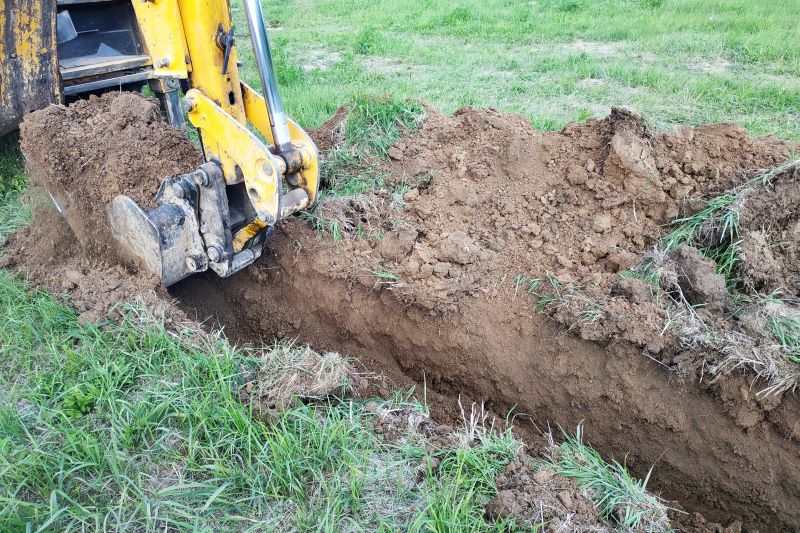
Reason 6: Residential Drainage Protects Landscaping And Outdoor Areas
Preventing Soil Erosion And Waterlogging
Poor drainage can wash away topsoil, damage garden beds, and leave lawns waterlogged and unusable. Over time, erosion can undermine paths, driveways, and retaining structures.
Maintaining Functional Outdoor Spaces
Well-designed drainage allows outdoor areas to remain functional throughout the year. By controlling water flow, homeowners can preserve landscaping, maintain usable outdoor living areas, and protect the overall appearance of their property.
Reason 7: Residential Drainage Helps Maintain Property Value
Buyer Concerns Around Drainage Issues
Drainage problems are a major concern for potential buyers. Signs such as damp smells, visible water damage, or poor site drainage often raise red flags during inspections. These concerns can reduce buyer confidence and negatively affect sale prices.
Supporting Long-Term Property Appeal
Homes with effective drainage systems demonstrate proactive maintenance and care. This not only protects the property but also supports stronger long-term value in Auckland’s competitive housing market.
Reason 8: Residential Drainage Supports Building Compliance
Auckland Council Drainage Requirements
Residential properties in Auckland must meet specific stormwater and drainage standards. Inadequate drainage can result in compliance issues, particularly when undertaking renovations, extensions, or new development.
Avoiding Consent And Compliance Issues
Ensuring drainage systems meet regulatory requirements helps avoid delays, additional costs, and enforcement action. Proper drainage planning simplifies future building work and reduces legal risk.
Reason 9: Residential Drainage Prevents Costly Future Repairs
Early Solutions Versus Major Repairs
Addressing drainage issues early is far more cost-effective than repairing extensive water damage later. Structural repairs, mould remediation, and foundation work can be extremely expensive once problems escalate.
Long-Term Savings For Homeowners
Investing in proper residential drainage provides long-term savings by reducing maintenance needs, avoiding emergency repairs, and extending the lifespan of key building components.
When Auckland Homes Need Residential Drainage Solutions
Common Warning Signs Of Drainage Problems
Signs such as persistent pooling water, damp odours, mould growth, or cracking around foundations often indicate underlying drainage issues. Ignoring these symptoms can allow damage to worsen over time.
Older Homes And Changing Site Conditions
Older Auckland homes may have outdated drainage systems that no longer cope with current rainfall patterns or site changes. Even newer homes may require drainage upgrades as landscaping and ground conditions evolve.
Choosing The Right Residential Drainage Approach In Auckland
Importance Of Proper Site Assessment
Effective drainage solutions must be tailored to each property’s soil type, slope, layout, and exposure to water flow. A thorough site assessment ensures the right approach is taken.
Why Professional Design And Installation Matters
Professional design and installation ensure drainage systems function correctly and comply with local standards. This reduces the risk of failure and provides long-term protection for the home.
Final Thoughts On Why Residential Drainage Is Critical For Auckland Homes
Residential drainage is essential for protecting Auckland homes from water damage, structural issues, and health risks. With the region’s climate and soil conditions, proactive drainage planning is a key part of responsible home ownership.
By investing in effective residential drainage, homeowners can safeguard their property, maintain healthy living environments, and avoid costly repairs well into the future.