Introduction to Commercial Wastewater Treatment in New Zealand
A Growing Focus on Sustainable Wastewater Solutions
Commercial wastewater treatment systems are becoming increasingly important for New Zealand businesses. As industries grow and environmental regulations tighten, effective wastewater management is now essential for compliance, sustainability, and long-term business success.
In a country that values its natural beauty and pristine waterways, wastewater treatment is not just a regulatory requirement, it’s a reflection of New Zealand’s commitment to environmental protection. Businesses are now expected to handle wastewater responsibly to help preserve the ecosystems and communities that depend on clean water.
Why Wastewater Management Matters for NZ Businesses
Commercial wastewater often contains contaminants such as fats, oils, chemicals, and heavy metals. If discharged untreated, these pollutants can harm aquatic life and contaminate drinking water sources. For this reason, wastewater treatment has become a top priority for both government authorities and commercial operators.
Today, more businesses across New Zealand are investing in modern wastewater systems designed to minimise waste, recover valuable resources, and support sustainability goals. This reflects a broader shift toward smarter, greener, and more circular water management strategies.
The Current State of Commercial Wastewater Treatment Systems
Common Treatment Systems Across Industries
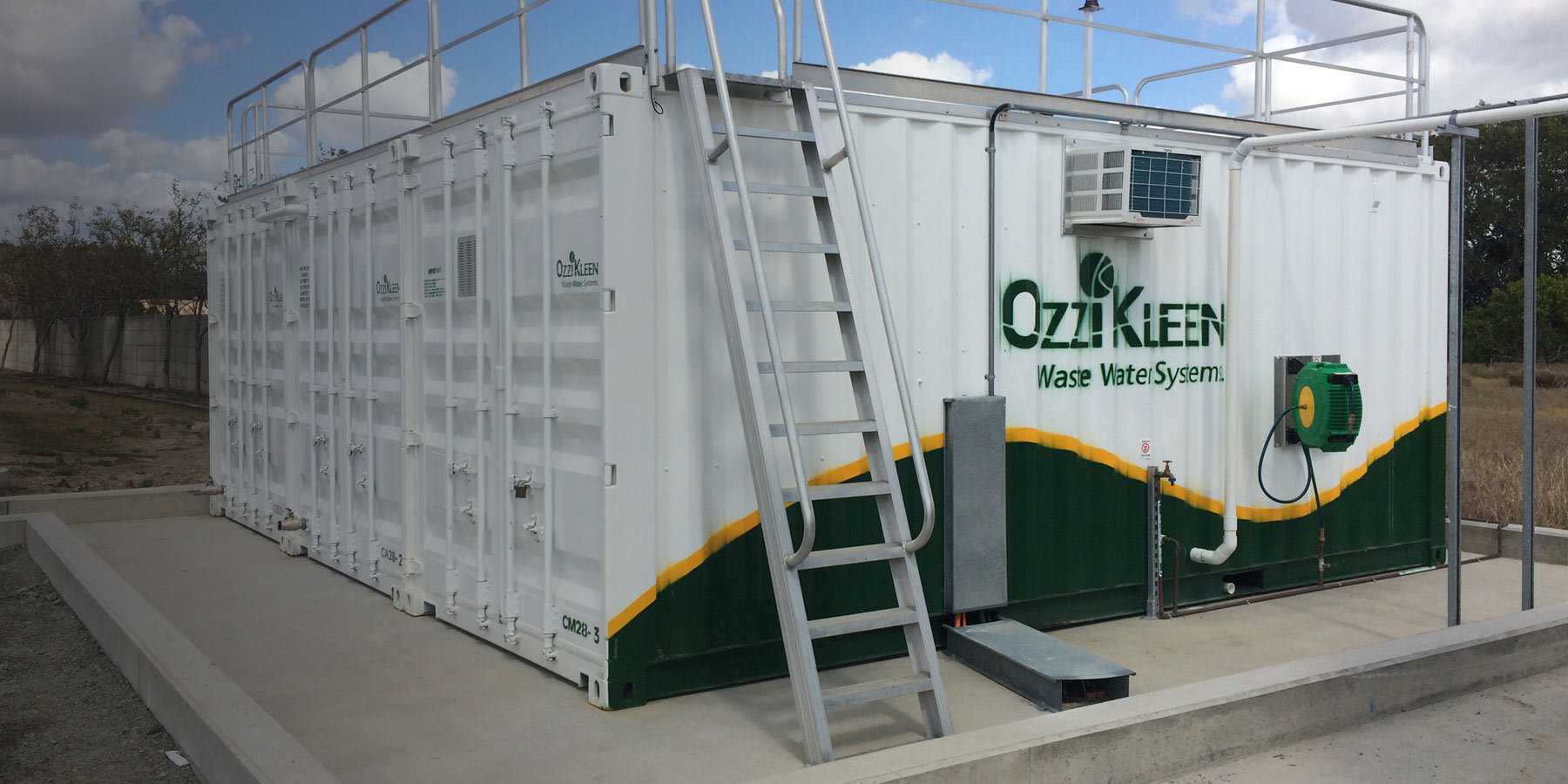
Across New Zealand, commercial facilities use a variety of wastewater systems. These include aerobic and anaerobic treatment plants, membrane bioreactors (MBRs), and advanced filtration setups. The system choice depends on the type of wastewater produced and the industry involved, whether it’s dairy processing, hospitality, or manufacturing.
Key Sectors Driving Wastewater Treatment Demand
Industries such as food production, tourism, and agriculture are at the forefront of wastewater treatment in New Zealand. Many of these businesses operate in rural or coastal areas where connection to municipal infrastructure is limited. In such cases, decentralised or on-site treatment systems are essential to ensure compliance and protect the environment.
The Role of Regulation and Compliance
Strict water discharge regulations under the Resource Management Act (RMA) and local council guidelines have pushed businesses to improve wastewater quality. Companies that fail to meet these standards can face penalties or restrictions. As a result, investment in efficient, compliant treatment systems has become standard practice across many sectors.
Emerging Technologies in Commercial Wastewater Treatment
The Rise of Smart and Automated Systems
Digital technology is transforming wastewater management. Automation, remote monitoring, and data analytics now allow operators to track treatment performance in real time. This improves efficiency, reduces maintenance costs, and ensures consistent compliance with environmental standards.
Decentralised Treatment for Regional Flexibility
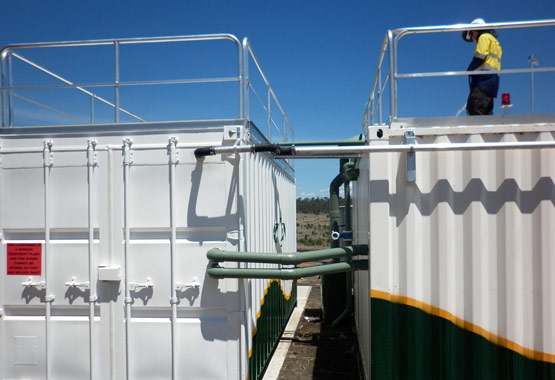
Decentralised wastewater treatment plants are gaining popularity across regional New Zealand. These smaller systems serve individual sites or clusters of businesses, reducing reliance on centralised infrastructure. They are especially beneficial for rural enterprises and tourism operations located far from city networks.
Innovative Filtration and Biological Systems
New Zealand companies are increasingly adopting cutting-edge technologies like membrane filtration, moving bed biofilm reactors (MBBRs), and constructed wetlands. These systems enhance nutrient removal, lower chemical use, and improve overall water quality while maintaining a small environmental footprint.
The Role of Sustainability and Circular Economy Principles
Wastewater as a Resource, Not a Waste
Sustainability lies at the heart of modern wastewater management. Businesses are shifting from a disposal mindset to one that values wastewater as a recoverable resource. By integrating circular economy principles, companies can reclaim water, nutrients, and energy from wastewater streams.
Reuse and Recycling Opportunities
In sectors such as horticulture and manufacturing, treated wastewater is increasingly reused for irrigation, cleaning, or cooling purposes. This approach reduces freshwater demand, lowers operational costs, and helps meet sustainability targets set by both government and industry.
Energy and Resource Recovery
Anaerobic digestion and similar technologies are enabling energy generation from organic waste. Biogas captured during treatment can be used to power on-site operations, reducing reliance on fossil fuels. Additionally, nutrient recovery systems convert by-products like phosphorus into fertiliser, promoting a more circular economy.
Government Regulations and Policy Developments Shaping the Future
The Impact of the Three Waters Reform
The New Zealand Government’s Three Waters Reform is reshaping how water services are managed across the country. For commercial operators, the reform means greater standardisation, clearer compliance expectations, and more consistent monitoring of wastewater discharges.
Evolving Standards and Compliance Requirements
Upcoming changes to water quality standards will require businesses to adopt higher-performing treatment systems. More stringent monitoring, coupled with transparent data reporting, will ensure that wastewater is treated to protect both public health and ecosystems.
Incentives for Sustainable Investment
Government funding and support programmes are emerging to help businesses upgrade to modern systems. Grants, partnerships, and low-interest financing options are encouraging investment in energy-efficient and environmentally sound wastewater technologies.
Challenges Facing the Wastewater Treatment Industry in NZ
Financial and Infrastructure Barriers
One of the most significant challenges for New Zealand businesses is the cost of upgrading wastewater infrastructure. Advanced systems require high initial investment, which can be a barrier for small and medium-sized enterprises. Balancing financial viability with environmental compliance remains a key issue.
Balancing Sustainability and Operational Efficiency
Businesses must meet increasingly strict environmental standards while maintaining profitability. This often requires innovative design, resource efficiency, and effective maintenance strategies to achieve both sustainability and economic goals.
Skills Shortages and Workforce Development
The wastewater treatment sector also faces a shortage of skilled professionals. As systems become more advanced, demand grows for operators and engineers trained in modern treatment technologies. Addressing this skills gap is crucial for ensuring system reliability and future growth.
Opportunities for Innovation and Industry Collaboration
Strengthening Partnerships and Research
Collaboration is key to driving progress in wastewater treatment. Partnerships between private companies, councils, and research institutions are fostering innovation, cost-sharing, and knowledge exchange. Joint initiatives allow for faster development and deployment of next-generation systems.
Advancements in Treatment Technologies
Research projects in New Zealand are exploring new frontiers, such as biofiltration, nanotechnology, and natural biological treatments. These innovations aim to improve efficiency while reducing the energy footprint of traditional wastewater processes.
Business Benefits of Sustainable Wastewater Systems
Businesses that adopt advanced, eco-friendly wastewater systems gain more than regulatory compliance, they enhance their reputation. Demonstrating environmental leadership can attract new customers, partners, and investment opportunities, especially in markets that prioritise sustainability.
The Future Outlook for Commercial Wastewater Systems in NZ
Technological Transformation on the Horizon
The next decade will bring a new wave of intelligent, self-optimising wastewater systems. Artificial intelligence, machine learning, and sensor-based automation will make it possible to predict system performance, reduce maintenance downtime, and achieve near-zero waste operations.
Long-Term Benefits for Business and the Environment
Investing in advanced wastewater systems will deliver lasting benefits. Businesses will lower operational costs, reduce environmental risks, and strengthen compliance. These improvements will also help safeguard New Zealand’s reputation as a global leader in clean and sustainable resource management.
Building a Sustainable Water Future for New Zealand
As awareness of climate change and water scarcity grows, sustainable wastewater management will become even more critical. The future of commercial wastewater treatment in New Zealand lies in innovation, collaboration, and a shared commitment to protecting one of the nation’s most valuable resources, its water.