Storms can cause sudden and serious damage to garage doors, especially in Auckland, where strong winds, heavy rain, and power disruptions are common. Garage doors are large, exposed structures, making them vulnerable to pressure changes, flying debris, and water ingress during severe weather.
Damage is not always immediately obvious and can worsen if the door continues to be used. Knowing how storm damage affects garage doors helps homeowners act quickly, protect safety, and organise repairs efficiently without creating further issues.
Storm Damage and Garage Doors in Auckland
Why Auckland storms commonly damage garage doors
Auckland storms often combine strong gusts with persistent rain, placing extreme stress on garage door panels, tracks, and fixings. Sudden wind pressure can flex doors beyond their tolerance, while rain can penetrate weakened seals and frames.
Repeated exposure over time weakens components, meaning even moderate storms can trigger failures. Garage doors facing prevailing winds are particularly vulnerable during severe weather events.
The most vulnerable parts of a garage door system
Tracks, springs, cables, and panels are most affected by storm forces. Tracks can bend or pull away from mountings, while springs and cables experience sudden strain if the door is forced open or closed.
Panels may dent or crack from debris impact. Motors and sensors are also vulnerable to moisture and power surges, which can cause electrical faults.
When storm damage becomes a safety risk
Storm damage becomes dangerous when structural or mechanical components are compromised. Loose springs, frayed cables, or misaligned tracks can fail suddenly, causing injury or property damage.
Doors that no longer close securely also create security risks. Any unusual movement, noise, or resistance after a storm should be treated as a safety concern until assessed.
First Steps to Take After Storm Damage
Making the area safe before inspecting the door
Before inspecting the garage door, clear debris and keep people away from the opening. Avoid touching springs, cables, or bent tracks, as these parts may be under tension. If the door appears unstable or partially open, do not attempt to move it manually. Safety should always come before inspection or temporary fixes.
How to secure the garage if the door won’t close
If the door cannot close, temporary measures may be needed to secure the garage. This can include internal bracing or physical barriers placed safely inside the opening. Disconnecting the automatic opener can prevent further damage. These measures are short-term solutions and should only be used until professional repairs are completed.
What to document for insurance and repairs
Take clear photographs of all visible damage, including close-ups and wider shots. Note any changes in door operation and record the date of the storm. This information helps repair technicians assess the damage and supports insurance claims if storm-related repairs are covered under your policy.
Common Storm-Related Garage Door Problems
Doors blown off track or misaligned
High winds can force garage doors out of alignment, causing rollers to leave the tracks. This results in uneven movement or complete jamming. Continuing to operate a misaligned door can worsen the damage. Professional realignment is usually required to restore safe and smooth operation.
Damaged panels, dents, and water ingress
Panels often suffer dents or cracks from debris or wind pressure. Even small panel damage can allow water to enter the door structure, leading to corrosion over time. Prompt repair or replacement prevents long-term deterioration and maintains the door’s strength and appearance.
Broken springs, cables, and roller issues
Storm forces can cause springs to snap or cables to fray, especially if they were already worn. Rollers may crack or dislodge under sudden impact. These faults affect balance and movement and should be repaired by trained technicians due to the risks involved.
Motor, remote, and sensor faults after power events
Power outages and surges during storms can damage garage door openers and sensors. Water exposure may also affect wiring or control boards. These issues can cause intermittent operation or complete failure, requiring professional electrical diagnosis and repair.
Quick Checks You Can Do Safely
Visual inspection checklist for tracks, hinges, and brackets
From a safe distance, look for bent tracks, loose bolts, or detached brackets. Do not attempt to straighten or tighten components. Visual checks help identify obvious damage and determine whether professional repair is urgently required.
Testing manual operation without forcing the door
If safe, disengage the opener and gently test manual movement. The door should move smoothly and evenly. Resistance, scraping sounds, or uneven movement indicate mechanical issues that should not be ignored.
Checking weather seals and drainage around the opening
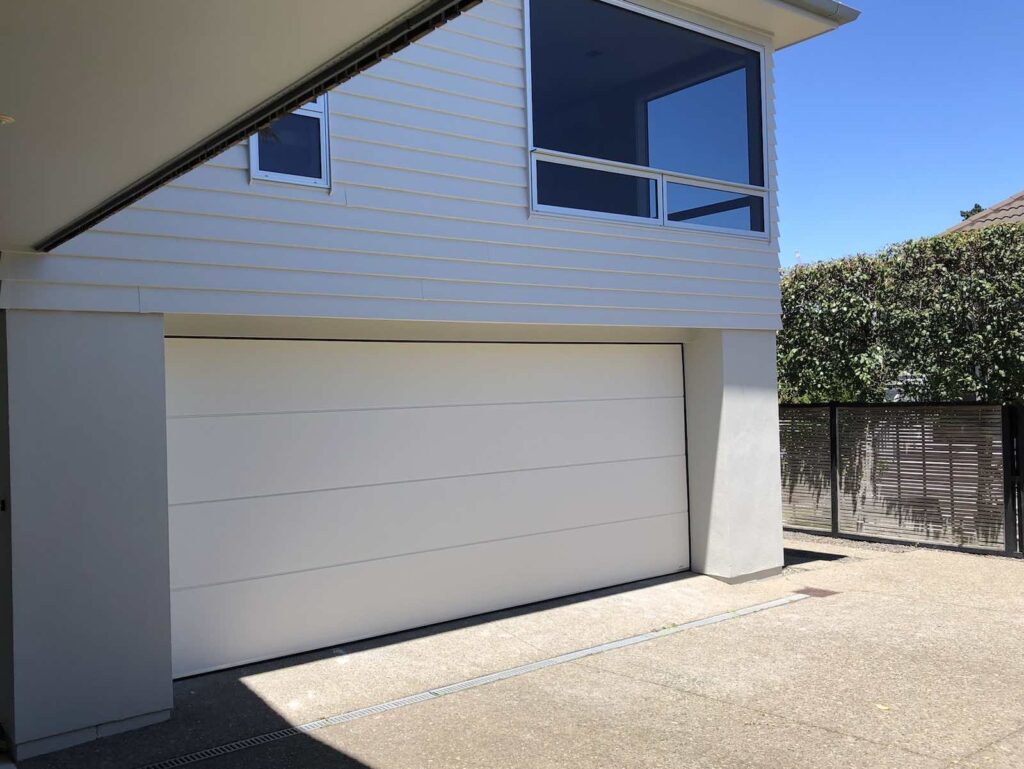
Inspect bottom seals and surrounding drainage for damage or blockages. Compromised seals allow water into the garage, increasing the risk of internal damage. Clearing drainage helps prevent further water-related issues.
Repairs That Should Never Be DIY
Spring and cable repairs and why they’re dangerous
Garage door springs and cables operate under high tension and can cause serious injury if mishandled. DIY repairs often result in further damage or accidents. These components should always be repaired or replaced by qualified professionals.
Track realignment and structural mounting issues
Tracks must be aligned precisely to ensure safe operation. Structural damage to mountings requires specialist assessment. Incorrect adjustments can lead to repeated failures or unsafe door movement.
Electrical faults and opener damage after storms
Electrical repairs involving motors, sensors, or wiring should only be carried out by trained technicians. Improper repairs pose safety risks and may void warranties or insurance coverage.
Preventing Future Storm Damage
Reinforcement options and hardware upgrades
Upgrading fixings, tracks, and wind-rated components improves resistance to storm forces. Reinforcements reduce the likelihood of doors being forced out of alignment during severe weather.
Weather sealing improvements for Auckland conditions
Improved seals and drainage solutions help prevent water ingress during heavy rain. Quality weather protection reduces corrosion and prolongs the life of the garage door system.
Maintenance habits that reduce storm-related failures
Regular servicing ensures components are in good condition before storms occur. Well-maintained doors are more resilient and less likely to suffer severe damage during extreme weather.
Choosing a Garage Door Repairer in Auckland
What to look for in experience, parts, and response times
Choose repairers with local storm-damage expertise, access to quality parts, and the ability to respond quickly. Local knowledge improves repair accuracy and turnaround times.
Questions to ask before approving work
Ask for a clear explanation of the damage, repair options, costs, and timeframes. Reputable repairers provide written quotes and transparent recommendations.
Red flags to avoid after storm events
Be cautious of vague pricing, pressure tactics, or lack of documentation. Reliable professionals communicate clearly and prioritise safety and compliance.