Commercial wastewater treatment systems are specialised systems designed to manage and treat liquid waste produced by businesses, industrial sites, and other high‑use facilities.
These systems go beyond simple septic tanks used at residential properties because commercial wastewater often contains higher volumes and more complex contaminants that must be treated to meet strict New Zealand environmental standards before discharge into public sewer networks or the environment.
What Is Commercial Wastewater and Why Treatment Matters
Commercial wastewater refers to liquids generated from commercial activities such as restaurants, hotels, factories, offices, and facilities with kitchens, laundries, bathrooms or industrial processes.
Unlike household wastewater, which is largely organic and biodegradable, commercial wastewater often includes grease, fats, oils, chemicals, suspended solids, heavy metals and other contaminants that make treatment more complex.
Proper treatment is essential to protect public health, local waterways and comply with regulatory requirements set by regional councils under New Zealand’s environmental laws.
Failing to treat commercial wastewater properly can lead to significant environmental damage, penalties from local councils, project delays and reputational risk for businesses. Untreated or poorly treated wastewater can harm aquatic ecosystems and contaminate soil or groundwater sources.
Key Regulations Affecting Commercial Wastewater in NZ
Environmental Requirements and Permits
In New Zealand, councils regulate wastewater discharges through regional bylaws and resource consents under the Resource Management Act. Commercial sites that discharge wastewater — either into public sewer systems or directly to land/water — usually need a trade waste consent or specific discharge permit that sets limits on volume and contaminant levels. These consents outline how the wastewater must be treated, monitored and reported to stay compliant.
Typical regulatory expectations may include limits on biochemical oxygen demand (BOD), suspended solids, and separation distances from natural water bodies. Regular maintenance records and treatment performance documentation are often required as part of compliance.
How Commercial Wastewater Treatment Systems Work
Commercial systems are engineered to treat wastewater through multiple stages, turning raw effluent into water that meets environmental discharge standards or is suitable for reuse.
Pre‑Treatment and Physical Processes
At the first stage, large solids and debris are removed through screens or filters, preventing damage to downstream equipment. Sedimentation tanks allow heavier particles to settle, while flotation systems can remove lighter contaminants like grease and oil.
Biological Treatment
Secondary treatment typically uses biological processes where aerobic bacteria break down organic matter. Aerated treatment systems introduce oxygen to encourage beneficial microbes to consume waste, significantly reducing pollutant loads.
Tertiary Treatment and Polishing
Tertiary treatment focuses on further purification using filtration, disinfection (such as chlorination or UV), or advanced methods to achieve a higher quality effluent suitable for release or reuse. Modern systems may include automation and real‑time monitoring to optimise performance and ensure regulatory compliance.
Types of Commercial Wastewater Treatment Systems
Modular and Packaged Solutions
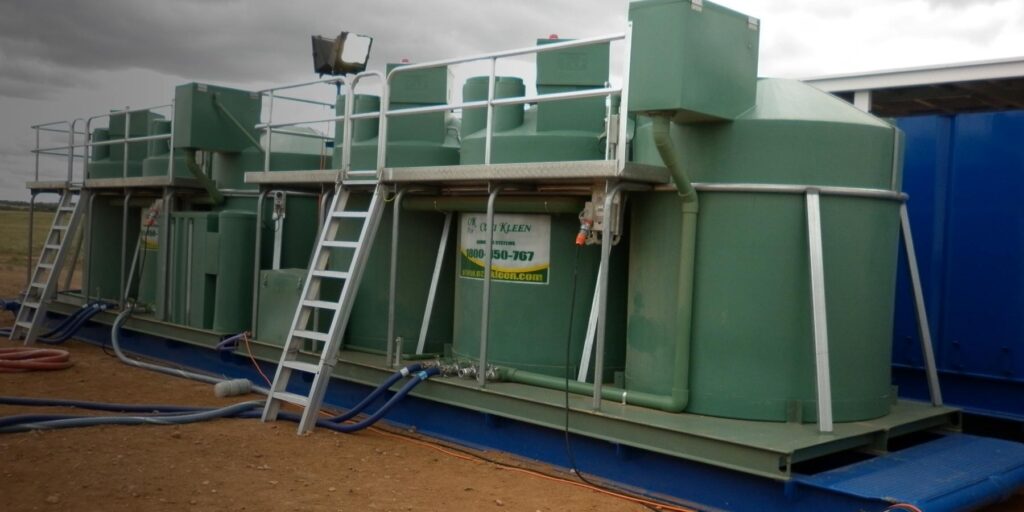
Modular or “packaged” systems arrive pre‑engineered and often require minimal onsite assembly. They are ideal for businesses that need reliable treatment without extensive custom design.
Some NZ suppliers offer transportable treatment plants that can handle wastewater flows from washrooms, kitchens and laundry facilities, and these can be suitable for temporary or semi‑permanent sites.
Permanent Installed Systems
For larger or long‑term operations, permanent wastewater treatment plants are installed with excavation and foundations. These units are designed to handle higher loads and more complex waste streams.
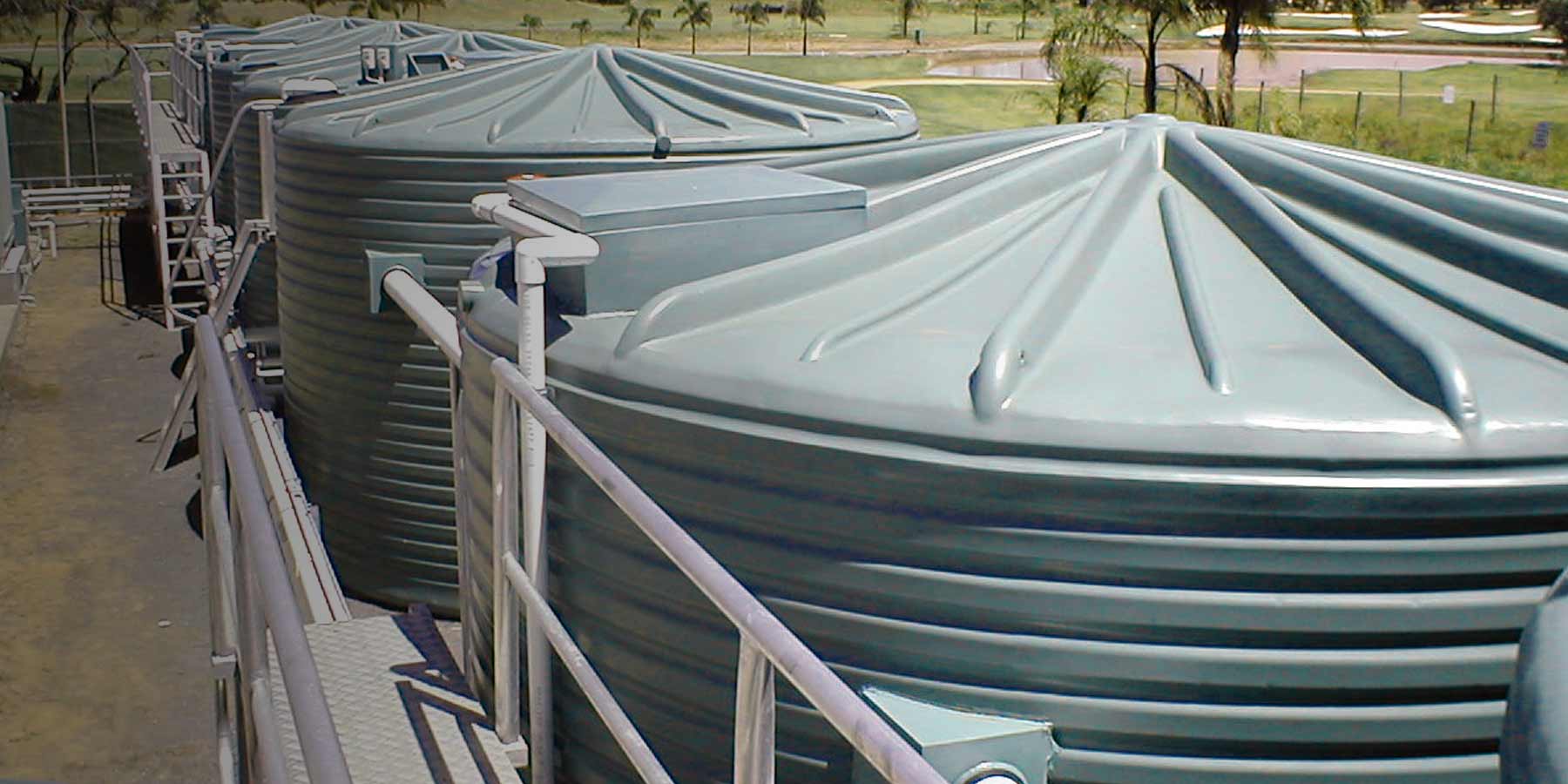
Commercial‑grade aerated treatment systems are common, using controlled aeration and clarification steps that treat wastewater effectively for discharge or reuse.
Aerobic and Anaerobic Options
Some systems rely on aerobic processes (with oxygen) to break down waste biologically, while other designs may combine mechanical and natural mechanisms tailored to specific site requirements.
Systems such as the X‑Perco Powerless Treatment or Oxyfix Aerated Treatment are examples available in NZ that can be configured for both residential and commercial use, depending on demand and regulatory needs.
Choosing the Right System for Your Business
Assessing Volume and Load
Commercial systems are sized based on the daily wastewater volume and the nature of contaminants. Smaller operations like cafes or offices might need systems designed for a few thousand litres per day, while larger facilities like shopping centres or food processing plants require much higher capacity systems.
Custom vs Pre‑Engineered Solutions
Larger or specialised industries may require custom wastewater treatment plants tailored to their specific effluent characteristics — for example, high grease or chemical loads. Smaller or less complex businesses can often use pre‑engineered modular treatment plants that are quicker to install and commission.
Long‑Term Maintenance and Support
A good wastewater solution includes not just installation but ongoing support and maintenance. Regular servicing ensures the system continues to meet quality standards and operates efficiently.
Some providers in NZ offer maintenance contracts that include routine inspections, pump checks, and biological media flushing to maximise longevity and compliance.
Commercial Wastewater Service Providers in NZ
Several NZ companies specialise in commercial wastewater treatment solutions, offering design, supply, installation and maintenance services.
Reflection Wastewater Treatment Solutions (RWTS) handles everything from design to ongoing maintenance, with systems sized from a few thousand litres up to large industrial capacities and can include advanced features like denitrification and automation.
Innoflow designs and installs tailored wastewater systems for subdivisions, campgrounds, public facilities and commercial projects across NZ, supported by professional engineering and ongoing servicing options.
Hynds Wastewater supplies commercial-grade treatment systems, including aerated and power‑free treatment options, suitable for commercial installations throughout NZ.
WaterFlow NZ provides scalable wastewater solutions tailored to business needs, including aerated systems, vermifiltration solutions and advanced secondary/UV systems.
Benefits of Investing in Quality Wastewater Treatment
Installing the right commercial wastewater treatment system benefits businesses in several ways. Compliance with environmental discharge standards protects your organisation from fines and legal risk, while efficient systems minimise energy use and operational cost.
Many modern systems can even support water reuse for irrigation or cooling, enhancing sustainability and reducing demand on freshwater resources.
Responsible wastewater management also strengthens a company’s sustainability credentials, demonstrating environmental responsibility to customers, regulators and stakeholders, an increasingly important aspect of modern business practice.