You might think that splashing out on the latest high-tech security system is the only way to keep your business safe. But honestly, some of the flashiest setups can actually make you a bigger target. Criminals aren’t daft; they can spot a dodgy camera or a glaring blind spot a mile off. This article is about cutting through the noise and looking at the simple, budget-friendly security fixes that actually make thieves think twice, rather than just advertising your vulnerabilities.
Key Takeaways
- Criminals are smart and actively look for signs of weak security, like obvious blind spots or cheap equipment, which can make your property a more attractive target than one with no visible security at all.
- Using fake cameras or low-quality gear sends a clear message that you haven’t invested properly in security, inadvertently inviting trouble.
- Professional-grade equipment, proper installation, and strategic camera placement with overlapping coverage are vital for creating genuine security, not just the appearance of it.
- Good security doesn’t just prevent theft; it can also lead to lower insurance premiums and reduce the likelihood of fraudulent claims, saving you money in the long run.
- Simple, practical security enhancements like adequate lighting and clear camera footage can significantly deter criminals and aid in faster police response if an incident does occur.
Understanding Criminal Psychology For Better Security
How Thieves Evaluate Potential Targets
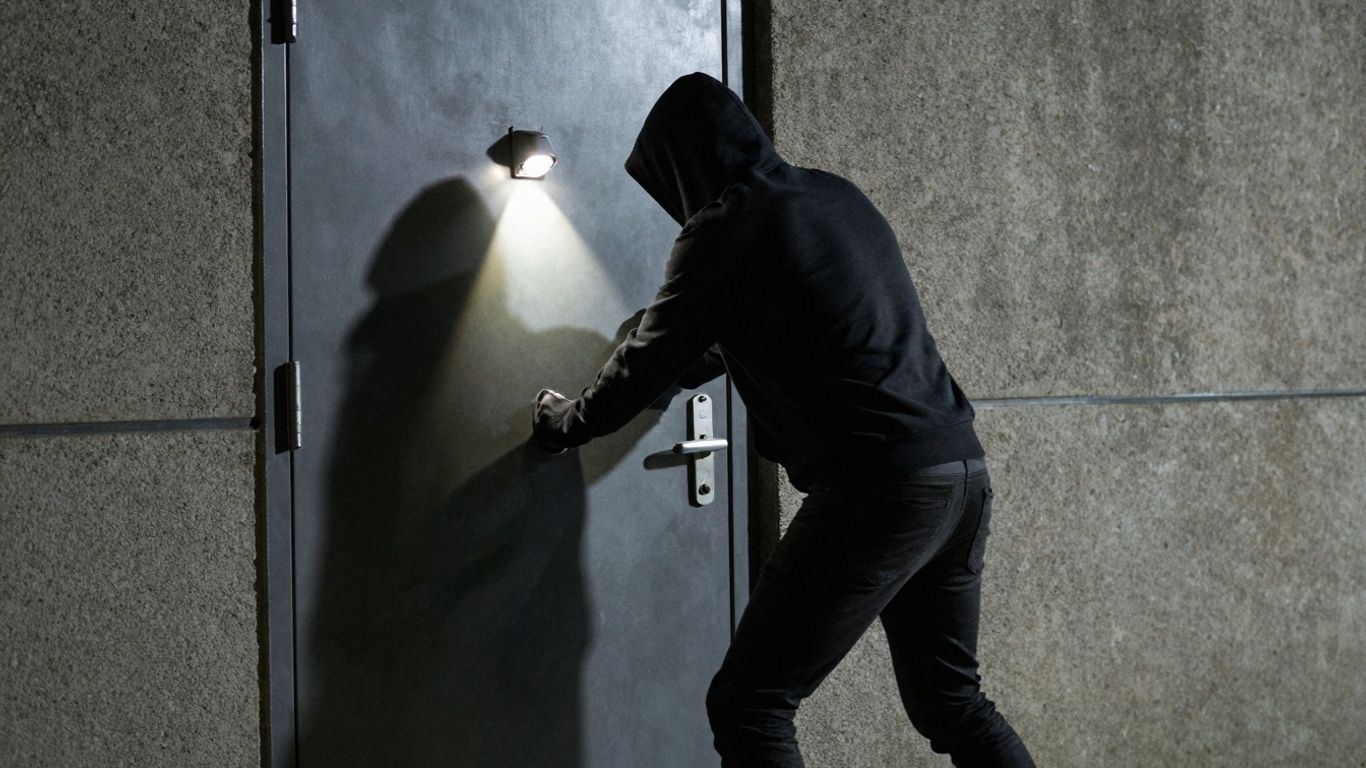
Criminals, particularly those with experience, don’t simply stumble upon targets. They actively assess potential locations, looking for signs that indicate an easy opportunity. This evaluation process is methodical, focusing on vulnerabilities that can be exploited with minimal risk. A property that appears poorly protected is often seen as a more attractive target than one with visible, robust security measures.
Thieves consider several factors when sizing up a location. They’ll look at the visibility of security cameras, the quality of the equipment, and whether the system appears well-maintained. Obvious blind spots or outdated technology can signal a lack of investment in security, suggesting that other protective measures might also be lacking.
The Professional Criminal’s Checklist
Professional criminals operate with a checklist, much like any other tradesperson. Their primary concern is minimising risk and maximising reward. This means they’re looking for properties where security is either non-existent or demonstrably weak.
Their checklist often includes:
- Coverage Assessment: Do cameras cover all entry points and vulnerable areas, or are there obvious gaps?
- Equipment Quality: Is the visible equipment professional-grade, or does it look like cheap, easily defeated deterrents?
- Maintenance: Does the system look cared for, or are cameras dirty, damaged, or clearly non-functional?
- Lighting: Is the area well-lit, especially at night, or are there dark corners that offer concealment?
Why Poor Security Signals Weakness
When a security system is poorly implemented, it doesn’t just fail to deter; it actively advertises vulnerability. A broken camera, a visible blind spot, or low-quality equipment sends a clear message to a potential thief: the owner is either unaware, unconcerned, or incapable of providing adequate protection.
This can paradoxically make a property more of a target than one with no visible security at all. It suggests a lack of attention to detail and potentially limited resources dedicated to safeguarding the premises. Criminals interpret this as a green light, believing that any attempt will likely go unnoticed or be easily overcome.
The presence of ineffective security measures can create a false sense of security for the property owner, while simultaneously acting as an invitation to those looking to exploit weaknesses. It’s a costly miscalculation that can lead to significant losses.
Common Security System Mistakes That Attract Trouble
It’s a bit of a harsh truth, but your security system might be doing more than just failing to protect your property; it could actually be advertising to criminals that you’re an easy target. Experienced thieves don’t just look for properties without security; they specifically seek out systems that are poorly designed, inadequately maintained, or improperly installed. These flaws signal weakness rather than strength.
The Cascade Effect of Obvious Blind Spots
Criminals are smart. They spend time studying potential targets, and they’ve learned to recognise the telltale signs of ineffective security. A camera that’s obviously not covering a key entry point, or a system with glaring blind spots, doesn’t just fail to deter crime. It sends a clear message that the property owner doesn’t fully grasp security, potentially making your business an easier target than a neighbour’s with no security at all. These gaps are like an open invitation.
Why Fake Or Low-Quality Equipment Backfires
Using fake or obviously low-quality security equipment is a classic mistake. Criminals can spot these a mile off. They know that cheap cameras or dummy boxes offer no real threat and can even be bypassed with minimal effort. This signals a lack of genuine investment in security, suggesting that if the visible deterrents are fake, the actual security measures are likely just as weak. It’s better to have no visible deterrent than a fake one that screams ‘amateur’.
Inadequate Lighting And Poor Image Quality
Poor lighting is a criminal’s best friend. Dark corners and poorly lit entryways provide cover for illicit activities. Similarly, cameras that produce grainy, low-resolution footage are practically useless. Criminals know that if they can’t be clearly identified, the risk to them is significantly reduced. A system that can’t provide clear, usable evidence after an incident is a system that’s failing its primary purpose. This lack of clarity emboldens those looking to cause trouble.
Here’s how these mistakes can compound:
- Blind Spots + Poor Equipment: Criminals spot both coverage gaps and equipment limitations. Budget cameras in critical areas offer false confidence.
- Poor Maintenance + Integration Failures: Deteriorated equipment disrupts integrated systems. Neglected cameras can’t communicate effectively with alarms or monitoring services.
- Inadequate Lighting + Poor Image Quality: Dark areas combined with blurry footage mean criminals can operate with impunity and avoid identification.
Security system mistakes don’t just fail to protect your property; they actively invite criminal targeting by signalling vulnerability and a lack of genuine investment. Professional criminals specifically seek properties with these telltale signs of inadequate security because they indicate easier targets with less risk of effective resistance.
Essential Elements Of Robust Commercial Security
Professional Equipment Standards For Security
When you’re looking at security, it’s not just about having cameras and alarms. The quality of the equipment itself makes a big difference. Professional-grade gear is built to last and perform reliably, even in tough conditions. Think about cameras designed for outdoor use, with good resolution and durability. Using equipment that’s up to standard means you’re less likely to have failures at a critical moment.
Choosing commercial-grade equipment is a clear signal that you take security seriously. This means looking beyond the cheapest options and investing in systems designed for consistent performance. It’s about reliability and the ability to capture clear footage when you need it most. This kind of equipment is often more resilient to tampering and environmental factors, reducing the need for frequent replacements.
Installation Quality Indicators For Security
Even the best equipment won’t do much good if it’s not installed correctly. A professional installation considers how everything fits together and where each piece is placed for maximum effect. This includes making sure cameras have a clear view, alarms are properly wired, and access control systems are integrated smoothly. Poor installation can create blind spots or make systems easy to bypass.
Consider these signs of quality installation:
- Strategic Placement: Cameras are positioned to cover key areas without obvious gaps.
- Secure Mounting: Equipment is fixed firmly, making it difficult to tamper with or remove.
- Proper Wiring: Cables are neatly managed, protected from the elements, and not easily accessible.
- System Integration: All components work together as intended, communicating effectively.
Overlapping Coverage Strategy For Security
Criminals often look for weaknesses, and a common one is a gap in surveillance. A smart security setup uses overlapping coverage, meaning different cameras or sensors cover the same areas. This way, if one camera is obstructed or fails, another can still provide a view. It creates a more complete picture of what’s happening on your property.
A layered approach to security, where different systems complement each other, is far more effective than relying on a single point of defence. This redundancy is key to preventing breaches and ensuring that you have continuous monitoring.
This strategy ensures that there are no easy ways for someone to avoid detection. It’s about building a robust defence that covers all angles, making your business a much less attractive target for theft or vandalism. Investing in proper security systems is a proactive step towards safeguarding your assets.
Cost-Effective Security Solutions For Businesses
You might think that robust security comes with a hefty price tag, but that’s not always the case. Many businesses, especially smaller ones, can implement effective security measures without breaking the bank. It’s about making smart choices that offer the best protection for your investment.
The Impact Of Security On Operating Costs
Good security isn’t just an expense; it can actually save you money in the long run. Think about the cost of replacing stolen stock or repairing damage from a break-in. Investing in preventative measures can be far cheaper than dealing with the aftermath. Furthermore, some security systems can streamline operations, reducing the need for extra staff or improving response times to incidents, which also cuts down on costs.
Reducing Insurance Premiums With Better Security
Having a solid security system in place can often lead to lower insurance premiums. Insurers see businesses with good security as lower risks, and they reward that with reduced rates. It’s a tangible benefit that directly impacts your bottom line. Always check with your insurance provider to see what discounts might be available for specific security upgrades you implement.
DIY Security Systems For Smaller Businesses
For smaller businesses or those with simpler needs, a do-it-yourself (DIY) security system can be a very economical option. These systems often involve wireless sensors and cameras that you can install yourself, cutting out professional installation fees. Many reputable brands offer packages specifically designed for small businesses, providing a good balance of features and affordability. You can often expand these systems as your business grows or your security needs change.
Here are a few points to consider when looking at DIY options:
- Ease of Installation: Look for systems with clear instructions and minimal wiring.
- Scalability: Can you easily add more cameras or sensors later?
- Monitoring Options: Decide if you want self-monitoring via an app or a professional monitoring service.
Choosing the right system means balancing your budget with your actual security needs.
When selecting a DIY system, it’s wise to compare a few different brands. Look at what’s included in their starter kits and the cost of any additional components you might need. The goal is to find a system that provides adequate coverage for your premises without unnecessary features that inflate the price.
Maximising Your Security Investment
Thinking about your security system as an investment is the right way to approach it. It’s not just about buying equipment; it’s about making sure that equipment works effectively to protect your business. When security systems are poorly planned or maintained, they can actually make your property a more attractive target for criminals. This is because experienced thieves can spot the signs of weak security just as easily as they can spot valuable goods.
The ROI Impact Of Security Mistakes
It might seem counterintuitive, but mistakes in your security setup can actively increase your risk. Properties with obvious security flaws, like visible blind spots or low-quality cameras, are targeted more often than those with no visible security at all. Criminals interpret these flaws as a sign that the property owner is either unaware or unconcerned about security, suggesting an easier job. This means your investment in security could be working against you.
Building Criminal-Resistant Security
Creating security that truly deters criminals involves a few key principles. Firstly, ensure complete coverage; there should be no obvious gaps where someone could hide or operate unseen. Secondly, use professional-grade equipment. Consumer-level gear often looks the part but lacks the durability and clarity needed for effective surveillance. Finally, proper installation is vital; cameras should be positioned correctly and protected from tampering.
- Eliminate blind spots: Systematically check all entry points and vulnerable areas.
- Use commercial-grade cameras: Opt for equipment designed for security applications.
- Professional installation: Ensure cameras are securely mounted and properly wired.
- Regular maintenance: Keep lenses clean and systems operational.
Long-Term Benefits Of Professional Security
Investing in professional security design and installation pays dividends over time. Beyond preventing theft and damage, a robust system can lead to lower insurance premiums. Insurers recognise that businesses with effective security measures are less likely to make claims. Furthermore, a well-secured premises can improve staff morale and reduce the stress associated with potential security breaches. Consider a smart alarm system for integrated protection.
A well-designed security system acts as a proactive deterrent, signalling to potential offenders that the property is well-protected and not an easy target. This preventative aspect is where the true value of your security investment lies, saving you significant costs associated with crime.
| Security Aspect | Poorly Managed | Professionally Managed |
|---|---|---|
| Vulnerability | High | Low |
| Criminal Attraction | High | Low |
| Insurance Premiums | High | Potentially Lower |
| Deterrent Effectiveness | Low | High |
Beyond Alarms: Practical Security Enhancements
Theft Reduction and Resolution Through Security
While alarms are the first thing that comes to mind, they’re just one piece of the puzzle. Think about how cameras can actually help you solve a theft after it happens. High-definition footage is invaluable for identifying perpetrators and recovering stolen goods. Good quality cameras, strategically placed, act as both a deterrent and a powerful investigative tool.
Quick Response From Authorities With Security
When your security system is properly integrated, it doesn’t just make noise. It can actively communicate with authorities. This means that when an incident is detected, the right people are notified immediately, often with crucial details about what’s happening. This speeds up response times significantly.
Reduction Of Fraudulent Claims With Security
It might not seem obvious, but robust security can also help reduce fraudulent insurance claims. Clear video evidence of an incident, or lack thereof, can be used to verify or dispute claims. This protects your business from unnecessary costs and ensures that genuine losses are properly addressed.
Here’s how integrated systems can make a difference:
- Real-time alerts: Immediate notification to you and security monitoring services.
- Automated reporting: Systems can log events, providing a clear timeline.
- Evidence gathering: High-quality footage for investigations and insurance.
A well-integrated security system goes beyond just sounding an alarm; it actively assists in preventing, resolving, and verifying incidents, ultimately saving your business time and money.
So, What’s the Takeaway?
Look, we’ve gone over a few things here that might seem obvious, but you’d be surprised how many businesses miss them. It’s not about spending a fortune on the fanciest gear. Often, it’s the simple stuff – making sure your cameras actually see what they’re supposed to, keeping things tidy, and not relying on those dodgy-looking fake cameras. Think of it like this: a bit of common sense and a few practical tweaks can make a big difference. You don’t need to be a security expert to make your place less appealing to the opportunistic thief. Just pay attention to the basics, and you’ll be a lot better off.