You might think you’re pretty handy around the house, capable of tackling most DIY jobs. But when it comes to your home’s electrical system, a bit of confidence can quickly turn into a serious hazard. Electricity is no joke, and what seems like a simple fix could easily lead to a fire. It’s worth knowing the signs that your electrical project might be more dangerous than you realise.
Key Takeaways
- A persistent burning smell from outlets or switches is a clear sign of overheating wires and an immediate fire risk.
- Circuit breakers that trip often suggest an overloaded system or underlying faults that need professional attention.
- Sparks or visible arcs from outlets and switches are never normal and indicate a dangerous electrical fault.
- Outlets or switches that feel warm or hot to the touch signal potential wiring issues and overheating.
- Discoloured or burnt marks around outlets and switches point to damaged connections and arcing, a significant fire hazard.
Burning Smells From Outlets
A burning smell emanating from an electrical outlet is a serious warning sign that should never be ignored. This odour, often described as acrid, like melting plastic or even a ‘fishy’ scent, indicates that something inside your wall is overheating to a dangerous degree.
This overheating typically stems from a few common culprits. It could be that the wires within the outlet or behind it are overloaded, meaning they’re trying to carry more electricity than they’re designed for. Alternatively, a loose connection somewhere in the circuit creates resistance, generating excessive heat as electricity struggles to flow smoothly.
The smell is essentially the insulation on the wires melting away. This is a clear indication of a potential fire hazard developing right inside your home’s structure. It’s not a problem that will resolve itself; in fact, it’s likely to worsen over time.
If you detect such a smell, the immediate and most critical step is to turn off the power to that specific circuit at your main electrical panel. If you’re unsure which breaker controls the affected outlet, it’s safest to switch off the main breaker for the entire house. Do not use the outlet again, and contact a qualified electrician without delay. This is not a situation to postpone; it requires prompt professional attention to prevent a serious incident.
Frequently Tripping Circuit Breakers
It’s normal for a circuit breaker to trip now and then. They’re designed to do that to protect your home from electrical issues. However, if you find yourself resetting the same breaker multiple times a week, or even daily, it’s a clear sign that something isn’t right.
This constant tripping usually points to an overloaded circuit. This means you’re trying to draw more power through that circuit than it can safely handle. Think about plugging in a high-demand appliance like a kettle, toaster, and microwave all on the same circuit – that’s a common way to overload it.
Beyond simple overloading, a breaker that trips repeatedly could indicate a more serious problem. This might be a short circuit, where a live wire touches a neutral one, or a ground fault, where a live wire contacts something it shouldn’t. Both scenarios create a surge of electricity that the breaker is designed to interrupt.
If a breaker keeps tripping, try unplugging some of the appliances on that circuit and then reset the breaker. If it holds, you’ve likely identified the culprit. If it trips again immediately, it’s time to call in a professional to investigate the wiring itself.
Don’t ignore a breaker that trips frequently. It’s not just an inconvenience; it’s your electrical system’s way of telling you there’s a potential fire hazard brewing.
Sparks From Outlets Or Switches
Seeing sparks fly from your sockets or light switches is a serious red flag. While a tiny spark can sometimes occur when you flip a switch, persistent or large sparks are a clear sign of trouble. This usually means there’s a fault, like a loose connection or a short circuit, where electricity is finding an unintended path.
These sparks aren’t just a visual alarm; they generate intense heat. This heat can easily ignite nearby materials, turning a minor electrical issue into a dangerous fire very quickly. It’s the kind of problem that needs immediate attention from someone who knows their way around wiring.
If you witness sparks, the first step is to cut the power to that specific circuit at your fuse box. Do not try to touch the outlet or switch, and certainly don’t try to fix it yourself. It’s best to leave this to the professionals.
Here are a few reasons why sparks might appear:
- Loose Wiring: Connections inside the outlet or switch might have come loose over time.
- Damaged Components: The internal parts of the outlet or switch could be worn out or broken.
- Overloading: Too much power being drawn through the circuit can cause issues.
Ignoring sparks is never a good idea. They are a direct indicator that something is wrong and could lead to a fire if left unaddressed. Always prioritise safety and call in an expert.
Warm Or Hot Outlets And Switches
If you touch an outlet or a light switch and it feels warm, or even hot, that’s a clear sign something isn’t right. Your electrical fittings should always be cool to the touch. This warmth usually means there’s too much electrical current flowing through, or there’s a loose connection somewhere inside.
Think of it like your body running a fever; it’s the electrical system’s way of telling you it’s under stress. This overheating can damage the wiring and, in the worst-case scenario, start a fire.
Look closely around the outlet or switch. You might see discoloured patches or even dark burn marks. These aren’t just cosmetic issues; they’re evidence that the heat has already been doing damage. It means the insulation on the wires could be melting.
If you notice an outlet or switch is warm, stop using it immediately. Turn off the power to that circuit at your fuse box. Don’t turn it back on until a qualified electrician has had a look and fixed the problem.
Sometimes, the problem isn’t just warmth. You might also notice a strange smell, often described as burning plastic or even a faint fishy odour. This smell is a serious warning that the plastic insulation around the wires is melting due to excessive heat. This is a critical fire hazard that needs immediate attention from a professional.
Flickering Or Dimming Lights
You might notice your lights behaving strangely – perhaps flickering, dimming unexpectedly, or even seeming to brighten and then fade. While a slight dimming when a large appliance like an air conditioner kicks in can be normal, random or frequent flickering is a different story.
This kind of erratic behaviour often points to a problem within your home’s electrical system. It could be a loose connection somewhere, a faulty switch, or even an overloaded circuit struggling to cope with the demand. Don’t dismiss this as a minor annoyance; it’s a clear signal that something needs attention.
If you’ve checked that the bulbs are screwed in properly and the issue persists, it’s time to investigate further. Persistent flickering can indicate a loose breaker in your main electrical panel, which is a serious fire risk. It’s wise to get a professional to look into this for you.
Sometimes, the issue might not be with your internal wiring at all. If your neighbours are experiencing similar flickering lights, the problem could lie with the electricity provider’s supply. However, if it’s isolated to your home, it’s definitely a sign to call in the experts.
When lights flicker or dim, it suggests that electricity isn’t flowing as smoothly as it should. This can be due to several reasons:
- Loose Wiring: Connections within your walls or at fixtures might not be secure.
- Overloaded Circuits: Too many appliances drawing power from a single circuit.
- Faulty Components: Issues with switches, dimmers, or even the main electrical panel.
Addressing these signs promptly can prevent more serious problems down the line and keep your home safe. If you’re unsure about the cause, it’s always best to consult with a qualified electrician to diagnose and fix the problem, preventing potential electrical emergencies.
Loose Outlets
When an electrical outlet feels loose, it’s more than just a minor annoyance. If your plugs don’t stay put or the entire outlet moves when you try to plug something in, this indicates a problem with the internal connections.
These loose connections can lead to arcing, where electricity jumps between wires. This not only creates a shock hazard but also generates significant heat. Over time, this heat can damage the outlet and surrounding materials, posing a serious fire risk.
While it might seem like a simple fix to push the outlet back into the wall, the underlying issue needs professional attention. The wiring connections behind the outlet may have loosened, or the outlet’s internal components could be worn out.
Addressing loose outlets promptly is vital for preventing electrical fires and ensuring the safety of your home’s electrical system. It’s a sign that the integrity of your wiring is compromised and requires an electrician’s expertise to rectify safely.
Discoloured Or Burn Marks On Outlets
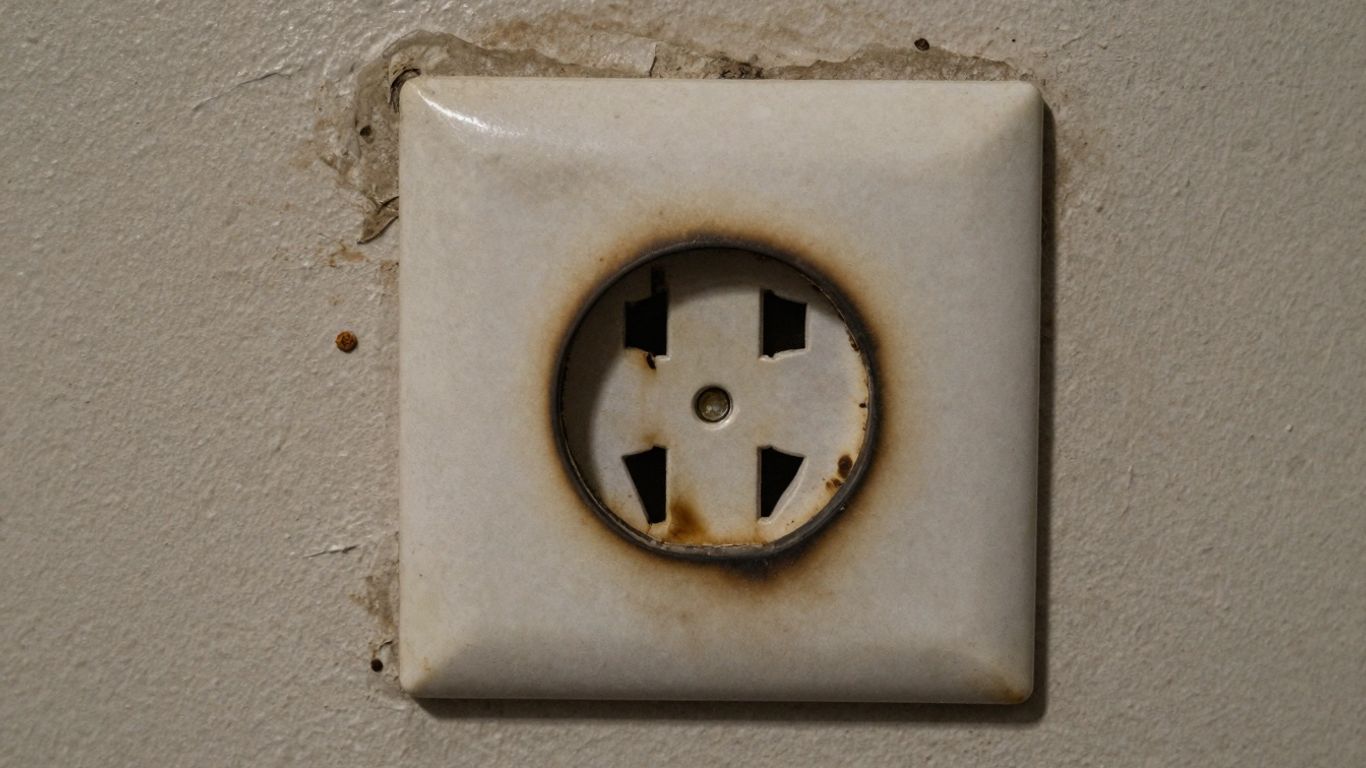
You might notice dark or yellowish patches around your electrical outlets or switches. These aren’t just cosmetic blemishes; they’re clear indicators that overheating has occurred. This discolouration suggests that the wiring or connections within the outlet are damaged, leading to arcing and excessive heat build-up.
This kind of damage means the plastic insulation or other components inside are literally burning. It’s a serious fire risk that needs immediate attention. If you spot these marks, it’s best to stop using that outlet straight away and turn off the power to that circuit at your breaker box.
These burn marks are a sign that dangerous conditions are already present behind your walls. Don’t ignore them, as they point to a potential fire hazard that requires professional assessment.
If you’re unsure about the cause or how to proceed, it’s always safer to call in a qualified electrician. They can safely inspect the outlet and the surrounding wiring to identify the root cause and make the necessary repairs, preventing a potential fire from starting.
Exposed Or Damaged Wires
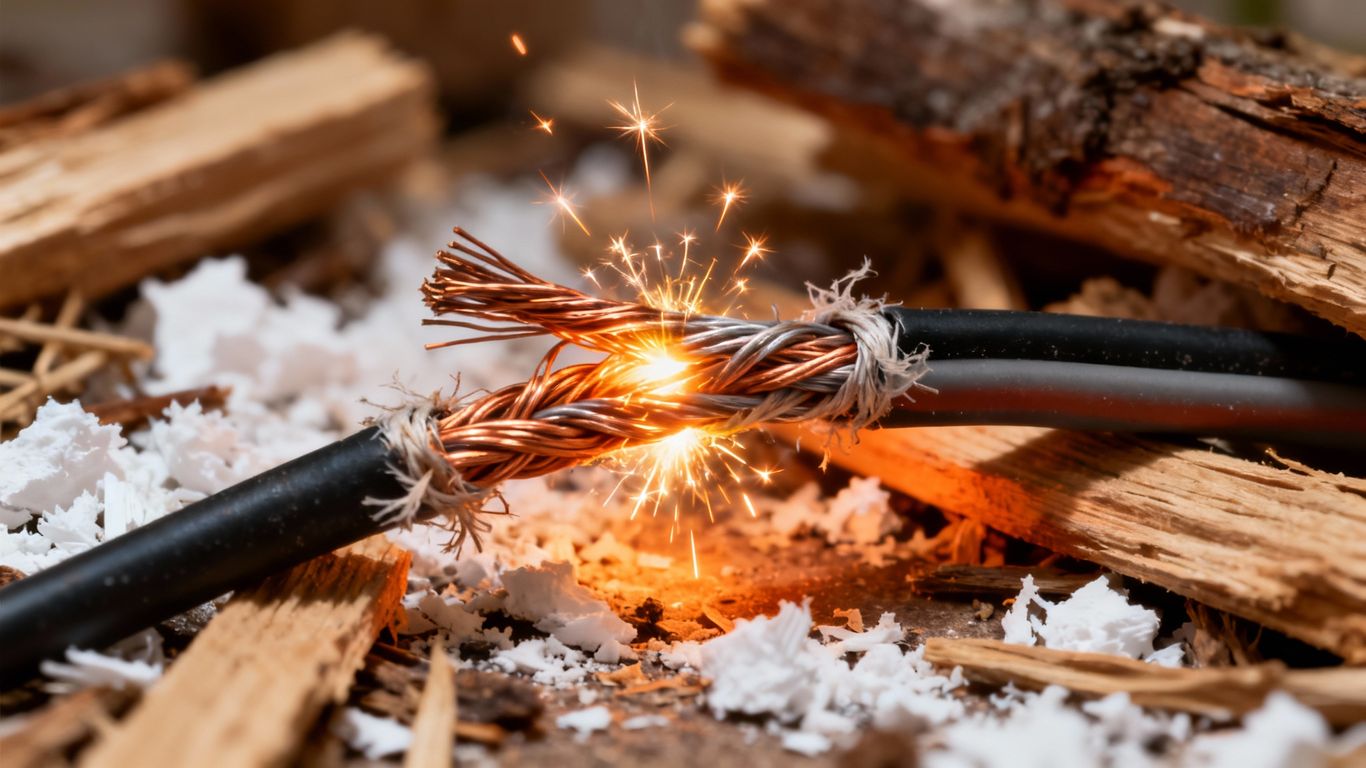
You might think a bit of frayed wire is no big deal, but it really can be. When you see wires where the protective coating has come away, it’s a serious warning sign. This insulation is there to stop the electricity from escaping and causing a short circuit or, worse, a fire.
Always treat exposed wires as a major hazard. If you spot any bare copper or damaged insulation, stop what you’re doing immediately. Don’t try to patch it up with tape; that’s a temporary fix at best and often doesn’t meet safety standards.
This kind of damage can happen for all sorts of reasons. It could be from wear and tear over time, or perhaps something has chewed through it. Whatever the cause, it means the electrical system isn’t safe.
If you’re not a qualified electrician, the safest course of action is to turn off the power to that circuit at the breaker box and call in a professional. They have the right tools and knowledge to fix it properly and safely.
Aluminum Wiring
If your home was built between the mid-1960s and early 1970s, you might have aluminum wiring. At the time, it was a popular choice because it was cheaper than copper. However, it comes with its own set of serious risks that you need to be aware of.
Aluminum expands and contracts more than copper when it heats up and cools down. This movement can loosen connections over time, especially at points like outlets and switches. When connections become loose, electrical resistance increases, leading to overheating. This is a significant fire hazard.
Another issue is oxidation. Aluminum oxidises much faster than copper. This creates a crusty layer that further increases resistance and the risk of overheating at connection points. Homes with aluminum wiring can be up to 55 times more likely to experience fire damage.
Dealing with aluminum wiring requires specialised knowledge. It’s not something to tackle as a DIY job. If you suspect your home has this type of wiring, it’s best to have a qualified electrician assess the situation and recommend the safest course of action.
Buzzing Or Crackling Sounds
A buzzing or crackling sound emanating from your electrical outlets, switches, or even your fuse box is a clear signal that something isn’t right. This noise often indicates that electricity is arcing – essentially jumping across connections where it shouldn’t be.
This arcing creates heat, and persistent arcing is a significant fire hazard. While a faint hum from a dimmer switch might be normal, any distinct crackling or buzzing warrants immediate attention. It’s your home’s electrical system trying to tell you it needs help.
Don’t ignore these sounds; they are a serious warning sign. If you hear them, stop using the affected area and consider turning off the power at the breaker if you can safely do so.
Several factors can cause these sounds:
- Loose Connections: Wires within outlets, switches, or junction boxes may have become loose over time. This allows for poor contact and arcing.
- Damaged Wiring: Insulation on wires can degrade or become damaged, exposing conductors and leading to short circuits or arcing.
- Overloaded Circuits: While less common for causing direct noise, an overloaded circuit can stress connections, making them more prone to arcing.
If you notice any unusual noises, it’s best to have a qualified electrician investigate. They can safely open up the relevant components, identify the source of the problem, and make the necessary repairs to prevent a potential fire.
Don’t Gamble with Your Home’s Safety
Look, we get it. You want to save a few quid and feel good about fixing things yourself. But when it comes to electricity, the stakes are just too high. Those five danger signs we’ve talked about – the scorch marks, the frequent breaker trips, the odd smells, the sparks, and those loose connections – they’re not just minor annoyances. They’re your home’s way of shouting for help. Ignoring them is like playing Russian roulette with your house and everyone in it. If you’re seeing any of these red flags, or if you’re just not 100% confident about what you’re doing, do yourself a favour and call a qualified electrician. It might cost a bit upfront, but it’s a small price to pay for peace of mind and avoiding a potentially devastating fire.