You know that sinking feeling when you spot a damp patch on the ceiling or a mysterious puddle forming? It’s a real pain, and trying to figure out where the water’s actually coming from can feel like a wild goose chase. Whether it’s your roof or the spouting playing up, finding the source of leaks quickly is key to stopping things from getting worse and costing you a fortune. Let’s look at some straightforward ways to track down those pesky leaks without breaking the bank.
Key Takeaways
- Hidden water damage from roofing and spouting issues can be a real headache, often appearing long after the initial problem.
- Simple visual checks, listening for drips, and noticing temperature changes can help you spot where leaks might be starting.
- Sometimes a quick DIY check is all you need, but for trickier leaks, getting a pro in saves you time and money in the long run.
- Leaks aren’t always obvious; they can hide behind walls, under floors, or even in outdoor pipes, making specialised tools useful.
- Catching leaks early with the right tools protects your home from serious structural damage and keeps its value up.
Understanding Roof and Spouting Leaks
The Frustration of Hidden Water Damage
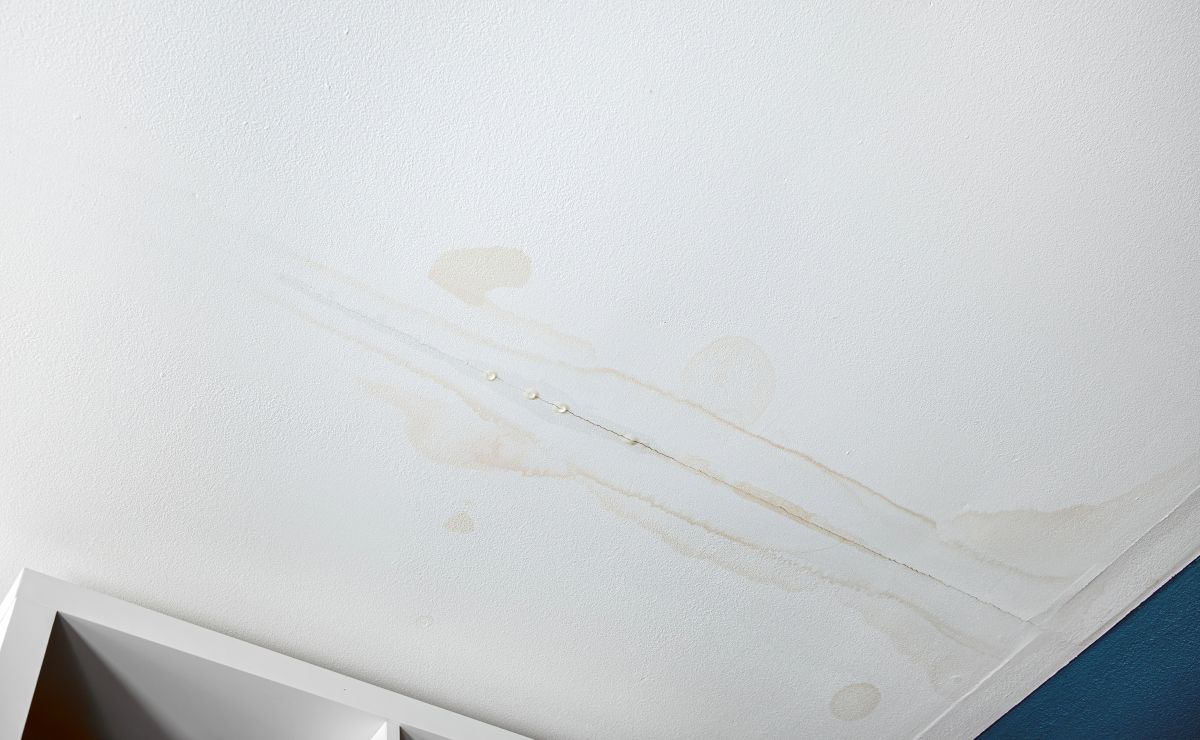
Right, let’s talk about leaks. The sneaky little drips that turn into a big problem when you’re not looking. It’s like finding a damp patch on the ceiling that wasn’t there last week. Suddenly, you’re staring at water stains, maybe even mould, and you’re wondering where on earth it’s all coming from. It’s a real pain, isn’t it? This hidden damage can be a nightmare to sort out, often costing a fair bit more than you’d expect.
Common Culprits in Roofing and Spouting
So, what actually causes these leaks? Often, it’s the simple stuff that gets overlooked. Think cracked tiles, dodgy flashing around chimneys or vents, or even just old, worn-out roofing felt. Then there’s the spouting – blocked gutters can cause water to back up and seep under the roofline. Sometimes, it’s a bit of wear and tear, other times it’s a bit of neglect. We’ve seen it all, from tiny holes you’d miss if you blinked, to bigger issues caused by storms.
If you’re dealing with specific environmental factors, you might also want to look at common regional roofing challenges.
Why Early Detection Matters
Honestly, the biggest thing is catching it early. If you leave a small leak to its own devices, it’s like that one mate who always bails on helping you move – it just gets worse. Water can travel, you see. It might start as a tiny drip in the loft, but before you know it, it’s causing rot in your ceiling joists or damaging your plasterwork. Spotting a leak when it’s small saves you a heap of hassle and a lot of cash down the line. It means less repair work, less disruption, and you can get back to enjoying your cuppa without worrying about what’s happening above your head.
Simple Tools for Pinpointing Leaks
Right, so you’ve got a suspicion, a damp patch, or maybe just that nagging feeling that water’s doing its own thing where it shouldn’t be. Before you start ripping up floorboards or calling in the cavalry, let’s talk about some clever bits of kit that make finding these sneaky leaks a whole lot easier. Think of them as your leak-finding sidekicks.
The Power of Visualisation: UV Tracing
This one’s a bit like a magic trick, but it’s pure science. You introduce a special, harmless fluorescent dye into your water system or onto a surface you suspect is leaking. Then, under a UV light, any tiny escape route for that dye glows like a beacon. It’s brilliant for tracing leaks through walls, roofs, or even in swimming pools without making a mess. It shows you exactly where the water’s been, or where it’s trying to go.
Listening for Trouble: Acoustic Detectors
Water on the move, especially under pressure, makes a noise. Acoustic detectors are essentially super-sensitive microphones designed to pick up these faint sounds. They can hear the hiss of a tiny pipe leak under a concrete slab or the gurgle of a drain issue. You move the sensor around, listening for the loudest spot, which usually means you’re right above the problem. It’s a bit like being a detective, but instead of footprints, you’re listening for whispers.
Temperature Clues: Thermal Imaging
Ever noticed how a cold drink sweats on a warm day? Water has a temperature, and when it’s moving through your house, it affects the surrounding materials. A thermal imaging camera sees these temperature differences. A patch of wall that’s colder than the rest might indicate recent water intrusion, even if it’s not visible yet. It’s a fantastic way to get an early warning of hidden moisture. It won’t tell you exactly where the hole is, but it’ll point you in the right direction, saving you a lot of poking around.
These tools aren’t just for the pros, either. While some of the high-end gear can cost a pretty penny, there are increasingly affordable options that can make a real difference for homeowners or smaller trade businesses. The key is knowing which tool is right for the job.
DIY vs. Professional Leak Detection
Right then, let’s talk about tackling those pesky leaks. You’ve probably had a good look around, maybe even poked a bit with a screwdriver, and you’re wondering if this is a job you can sort yourself or if it’s time to call in the cavalry.
When a Simple Tool is Enough
Sometimes, a leak is pretty obvious. You see a damp patch on the ceiling, or a drip under the sink that’s getting a bit much. For these sorts of straightforward issues, a simple tool like a moisture meter can be a lifesaver. You can grab one of these for a couple of hundred quid, and it’ll tell you if the damp is just surface-level or if it’s soaking through to the bones of your house. It’s about getting a clear picture before you start ripping things apart.
Recognising the Need for Expertise
But what happens when the leak is playing hide-and-seek? We’re talking about those sneaky ones behind walls, under floors, or even deep down beneath the concrete slab. Trying to find these yourself can turn into a real headache, costing you more in time and potential damage than you’d save. That’s when you need the pros, armed with gear like acoustic detectors that can actually listen for water escaping pipes, or tracer gas systems that pinpoint the exact spot.
The Cost-Effectiveness of Accurate Diagnosis
Look, nobody likes spending money on repairs. But think of it this way: a professional leak detection service, even with their fancy equipment, is often cheaper in the long run. They can find the exact source of the problem quickly, meaning less guesswork, less unnecessary digging or demolition, and ultimately, a faster, more accurate fix. It’s about avoiding that situation where you’ve spent a fortune trying to fix something, only to find out the real problem was somewhere else entirely.
It’s easy to get caught up in the ‘I can do it myself’ mentality, especially when you see those quick fixes online. But when it comes to hidden water damage, a bit of DIY enthusiasm can sometimes lead to a much bigger, more expensive mess down the line. Knowing when to call in someone who’s got the right tools and the know-how is a sign of smart homeownership, not a failure.
Beyond the Obvious: Tricky Leak Scenarios
Leaks Behind Walls and Under Floors
Sometimes, the water isn’t coming from your roof or gutters directly. It can be a sneaky pipe hidden away behind plasterboard or lurking beneath your floorboards. These are the leaks that really test your patience, aren’t they? You might see a damp patch on the wall or notice your floor feels a bit spongy, but figuring out exactly where the water is coming from can feel like a proper head-scratcher.
This is where specialised tools really earn their keep. Think of things like moisture meters that can tell you how wet the wall cavity actually is, or thermal imaging cameras that spot temperature differences caused by hidden water. These gadgets help us find the source without ripping your house apart. It saves a lot of mess and, more importantly, a lot of money on unnecessary repairs.
The Challenge of Slab Leaks
Now, let’s talk about slab leaks. These are leaks that happen underneath your concrete foundation. They’re a real pain because they’re so inaccessible. You might not even know you have one until you notice a spike in your water bill or hear water running when nothing’s on. The damage can be significant if left unchecked, affecting the structural integrity of your home.
Finding these requires a bit more than just a quick look around. We often use acoustic detectors that listen for the sound of escaping water under pressure, or pressure gauges to see if the pipes are holding steady. It’s all about pinpointing the exact spot to minimise disruption when we need to get in there. Getting professional help for slab leak detection is usually the smartest move here.
Outdoor Plumbing and Irrigation Issues
Don’t forget about what’s happening outside! Leaks aren’t just confined to the inside of your house. Your irrigation system, outdoor taps, or even pipes for a pool can spring a leak. These can be just as damaging, washing away soil, causing sinkholes, or just wasting a huge amount of water.
Thermal imaging is a lifesaver for these kinds of problems too. It can show up the temperature difference where water is escaping underground, even in a large garden. It means we can find the problem without digging up your entire lawn. It’s amazing what you can find when you look closely, and these tools really help us do just that.
Investing in Your Property’s Health
Preventing Costly Structural Damage
Look, nobody likes finding out there’s a leak. It’s usually a sign of bigger, more expensive problems lurking just out of sight. Water, bless its heart, can be a real menace when it gets where it shouldn’t. It can weaken timbers, encourage mould, and generally make a mess of your home’s structure. Catching these leaks early, before they’ve had a chance to do serious damage, is like giving your house a health check-up. It saves you a heap of hassle and, more importantly, a stack of cash down the line.
Maintaining Your Home’s Value
Your home is probably your biggest asset, right? You want to keep it looking good and, well, structurally sound. A persistent leak, even a small one, can start to show. Think damp patches, peeling paint, or that musty smell that no amount of air freshener can shift. These things don’t just look bad; they can actually knock the value of your property. Keeping on top of leaks means you’re protecting your investment and making sure it stays a place you’re proud of, and that others will want to buy.
Peace of Mind with Reliable Roofing and Spouting
Honestly, there’s nothing quite like the peace of mind that comes from knowing your roof and spouting are doing their job properly. No more worrying about that next big downpour or what might be happening up there. When you’ve got a reliable system in place, and you know you can spot any issues quickly with a simple tool like Leak Finder, it just takes the stress out of homeownership. It means you can sleep soundly, knowing your home is protected from the elements.
So, what’s the takeaway?
Look, finding a leak doesn’t have to be a massive headache or cost a fortune. You’ve seen how a few simple, low-cost tools can make all the difference. Instead of guessing and causing more damage, you can pinpoint the problem area quickly. It means less stress, less mess, and definitely less money spent on unnecessary repairs. Give it a go next time you suspect a leak – you might be surprised at how easy it can be to sort things out yourself.