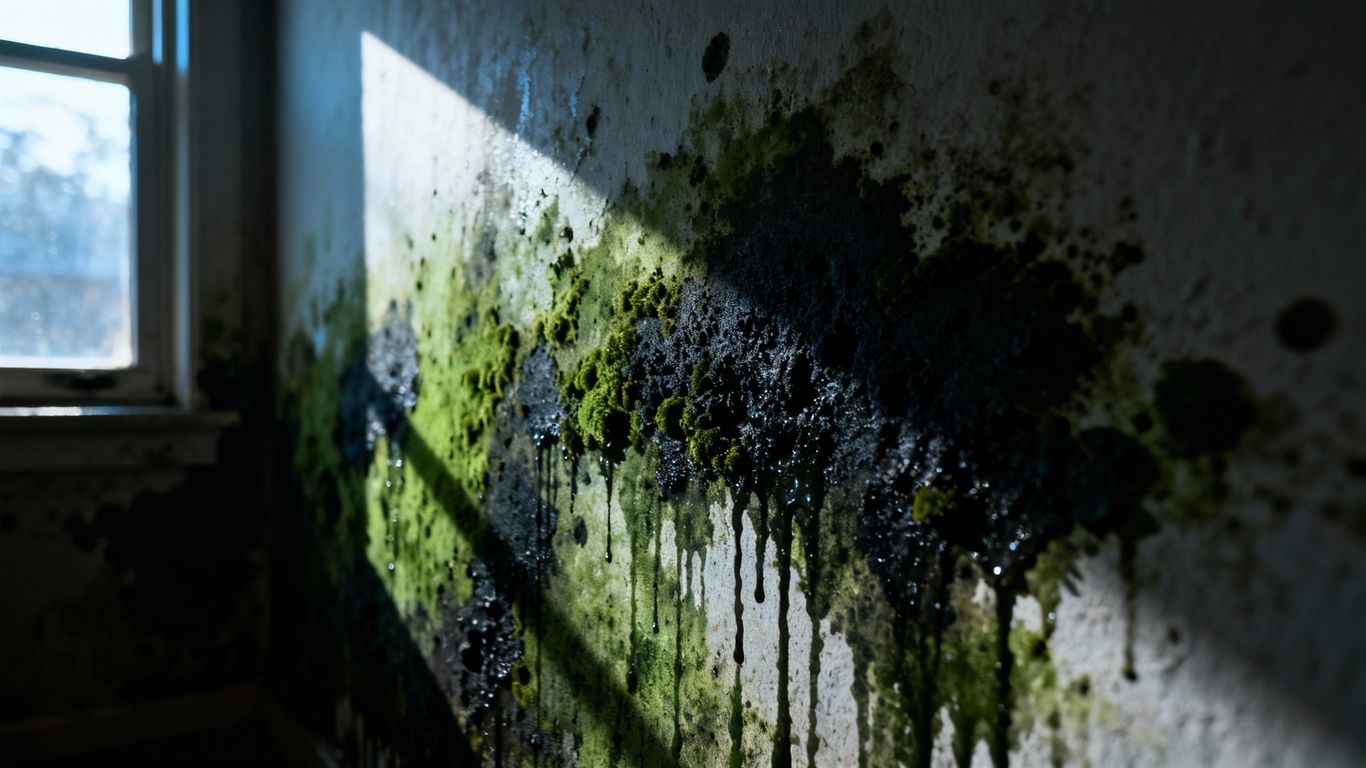
Dealing with damp and mould in rental properties can feel like a real headache, can’t it? It’s not just about the unpleasant smell or the unsightly patches on the walls. For landlords, ignoring these issues can lead to some hefty fines, especially with new regulations coming into play. This article aims to shed some light on the legal side of things, how to spot the early signs, and what steps you can take to avoid costly mistakes and keep your properties compliant. Proper property management is key here.
Key Takeaways
- Landlords have a legal duty to ensure rental properties are free from damp and mould, with failure to comply leading to potential fines and tenant disputes.
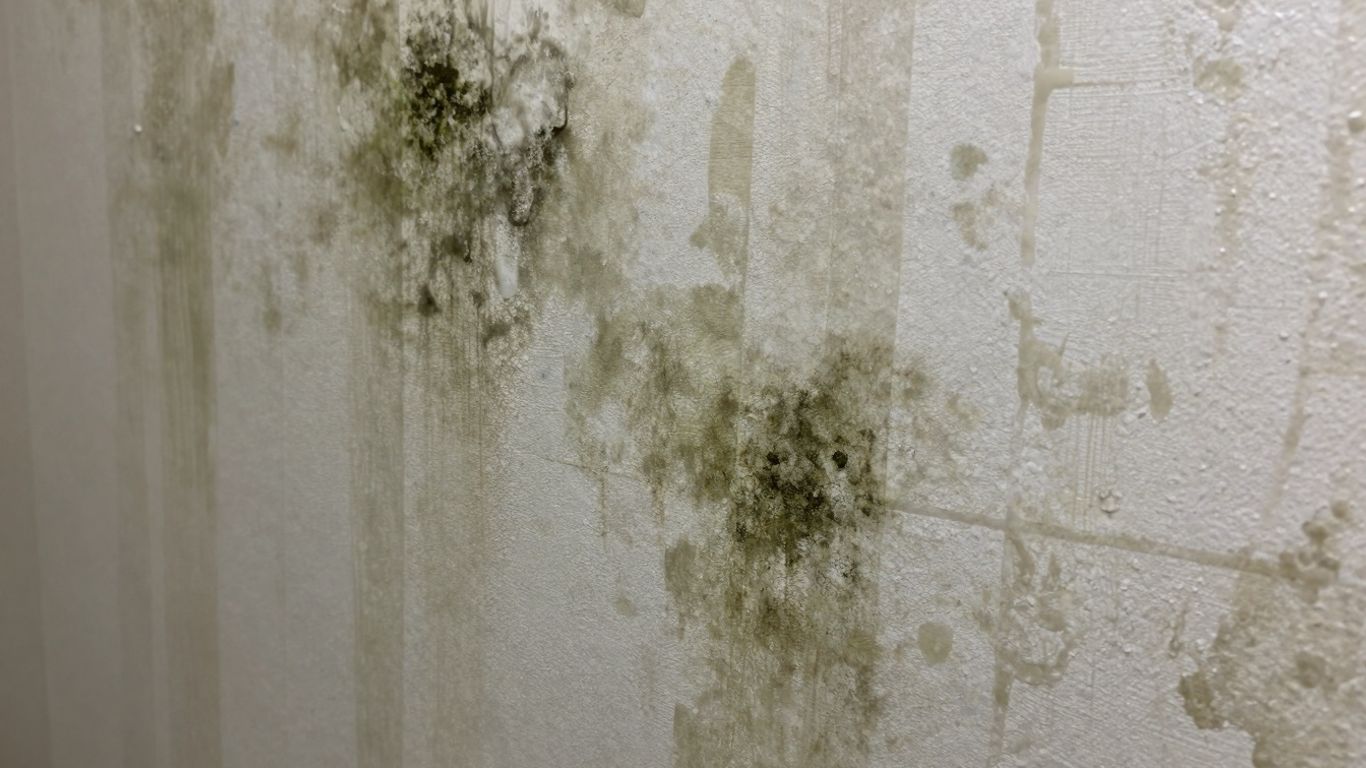
- Early detection is vital; look for condensation, peeling paint, and discoloured walls, not just musty smells.
- Avoid common errors like assuming tenants are solely responsible for damp or relying on temporary fixes that don’t address the root cause.
- Professional damp surveys are recommended to accurately diagnose issues and provide documented evidence for legal protection.
- Implementing proactive strategies like regular inspections, tenant communication, and improving ventilation and heating systems is crucial for long-term damp prevention and compliance.
Understanding The Legal Landscape Of Damp And Mould
The Duty of Care: Landlords’ Legal Obligations
As a landlord, you have a legal responsibility to ensure your properties are safe and fit for people to live in. This isn’t just a suggestion; it’s a core part of your duty of care. Damp and mould issues fall under this, being classified as Category 1 Hazards within the Housing Health and Safety Rating System (HHSRS).
Ignoring these problems can lead to serious consequences. Local councils can issue improvement notices, and tenants may pursue compensation claims. The legal framework is becoming increasingly strict, meaning you can’t afford to overlook these issues.
Awaab’s Law And The Decent Homes Standard
The tragic case of Awaab Ishak brought significant changes to how damp and mould are handled in rental properties. Awaab’s Law, now integrated into the Homes (Fitness for Human Habitation) Act 2018, places a much stronger emphasis on landlords addressing these issues promptly.
This means that from October 2025, the clock starts ticking the moment a tenant reports a damp or mould problem. You’ll have a limited window, typically around 10-14 days, to conduct a thorough survey by a competent person. The findings must then be communicated to the tenant within 48 hours.
The Financial Repercussions Of Neglect
Failing to act on damp and mould complaints can result in substantial financial penalties. Fines can start at £5,000 and have no upper limit, depending on the severity and persistence of the issue.
Beyond direct fines, local authorities can step in to carry out repairs themselves and then bill you for the costs, often at a higher rate. This can also impact your ability to secure mortgages, sell properties, or get insurance, as enforcement history may need to be disclosed.
The legal landscape around damp and mould is no longer a grey area. Strict deadlines and detailed documentation are now the standard, and any oversight can lead to significant financial and reputational damage.
Identifying The Early Warning Signs Of Property Damp
The Duty Of Care: Landlords’ Legal Obligations
Ignoring damp and mould in your rental properties is a risk you simply cannot afford to take. The law is clear: landlords have a legal duty to ensure their properties are safe and healthy for tenants. Damp and mould are classified as Category 1 Hazards under the Housing Health and Safety Rating System (HHSRS).
Failing to address these issues can lead to serious consequences. Local councils can issue improvement notices, tenants may pursue compensation claims, and legal action under Awaab’s Law is a distinct possibility. Furthermore, your property’s reputation can suffer significantly from negative reviews and official complaints.
Awaab’s Law And The Decent Homes Standard
Recent legislative changes, particularly Awaab’s Law and the ongoing enforcement of the Decent Homes Standard, place a greater onus on landlords to proactively manage damp and mould. These regulations mean that simply reacting to tenant complaints is no longer sufficient. You must demonstrate a clear commitment to maintaining a healthy living environment.
This means understanding that damp is not just an aesthetic problem; it’s a health hazard. The law now expects landlords to identify and rectify the root causes of damp before they escalate into serious issues that impact tenant well-being and the property’s structural integrity.
The Financial Repercussions Of Neglect
When early signs of damp are overlooked, the problem can quickly escalate, leading to extensive and costly repairs. What might have started as a minor condensation issue can develop into damaged plasterwork, rotten skirting boards, and even compromise the building’s structure. These escalating problems translate directly into significant financial burdens.
Beyond the immediate repair costs, neglecting damp can result in legal fees, compensation payouts to tenants, and potential fines. The cost of inaction far outweighs the investment in preventative measures and timely repairs. It’s a matter of protecting your investment and avoiding substantial financial penalties.
Common Landlord Mistakes In Damp Property Management
Assuming Tenant Responsibility For Damp
It’s easy to fall into the trap of thinking damp is always down to how a property is used. Phrases like ‘they’re not heating it enough’ or ‘they dry clothes inside’ might come to mind. While tenant habits can contribute, this is often not the whole story. Many damp issues stem from the building itself.
Blaming tenants without a thorough property inspection can damage relationships and lead to disputes. It can also mean you’re overlooking the actual cause, which is likely a property defect. Always investigate the building first before making assumptions about tenant behaviour.
The Pitfalls Of Quick Fixes And Surface Solutions
Trying to solve damp with a quick coat of paint or a cheap dehumidifier might seem like a cost-effective solution initially. However, these methods rarely address the underlying problem. Mould can quickly reappear, and hidden moisture can continue to cause damage to plaster and even structural elements.
Quick fixes might make a room look better for a short while, but they don’t solve the damp. This approach often leads to tenants losing faith in your commitment to maintaining the property. It’s a false economy that can lead to bigger bills down the line.
Neglecting Essential Ventilation And Heating Systems
Properties that lack adequate ventilation or efficient heating are prime spots for damp to take hold. This is particularly true for condensation damp, a very common issue in UK homes. Missing or broken extractor fans in bathrooms and kitchens are a frequent oversight.
Poorly insulated or inefficient heating systems can also mean tenants struggle to keep their homes warm enough, contributing to condensation. Upgrading to modern, energy-efficient systems not only prevents damp but also improves tenant satisfaction and can reduce property turnover. Addressing drainage problems is also part of a holistic approach to property maintenance.
- Ensure bathrooms and kitchens have working extractor fans.
- Consider Positive Input Ventilation (PIV) units for persistent condensation.
- Check that heating systems are modern and affordable for tenants to run.
The Crucial Role Of Professional Damp Surveys
Pinpointing The Root Cause: Beyond Guesswork
When damp appears, it’s easy to assume you know the cause. However, what looks like simple condensation could actually be a sign of a more serious issue, like penetrating damp or even rising damp. Relying on guesswork or quick fixes is a risky strategy. A professional damp survey uses specialised equipment, such as moisture meters and thermal imaging cameras, to accurately identify the source of the problem. This detailed assessment means you’re not just treating the symptom; you’re addressing the underlying cause, which is vital for a lasting solution.
Why DIY And Quick Fixes Are A False Economy
It might seem like a good idea to save money by tackling damp issues yourself or opting for the cheapest repair. However, these superficial solutions rarely last. Applying a coat of paint over mould or sealing a small crack might hide the problem temporarily, but the moisture will continue to cause damage behind the scenes. This often leads to more extensive and costly repairs down the line. Investing in a professional survey upfront ensures the correct treatment is applied, saving you money and preventing future headaches. It’s about getting it right the first time.
Documentation For Legal Protection And Disputes
In today’s regulatory environment, having proper documentation is non-negotiable. A professional damp survey provides a detailed report that serves as evidence of the property’s condition and the steps taken to address any issues. This report is invaluable if a dispute arises with a tenant or if regulatory bodies investigate. It demonstrates that you have taken your responsibilities seriously and acted on expert advice. This evidence-based approach can protect you from fines and legal challenges, offering peace of mind. Addressing drainage issues promptly, for instance, can prevent significant damage and expense, as seen in cases where early inspections saved homeowners thousands on repairs early warning signs.
Common Landlord Mistakes In Damp Property Management
- Assuming Tenant Responsibility: Blaming tenant lifestyle without evidence is a major pitfall. The law now leans towards treating damp as a property defect.
- The Pitfalls Of Quick Fixes: Cosmetic solutions like painting over mould or superficial sealing are legally risky and ineffective long-term.
- Neglecting Ventilation and Heating: Inadequate systems are a primary cause of condensation damp, a common issue in UK rentals.
The Financial Repercussions Of Neglect
Ignoring damp issues or opting for inadequate repairs can lead to significant financial penalties. Beyond the cost of further repairs, landlords can face fines, invalidation of insurance policies, and even legal action. A thorough, documented approach, starting with a professional survey, is the most effective way to safeguard your investment and comply with regulations.
Implementing Proactive Damp Prevention Strategies
Taking steps to prevent damp before it becomes a problem is far more sensible than dealing with the aftermath. It saves you money, protects your property’s value, and keeps your tenants happy and healthy. Think of it as regular maintenance for your investment.
Regular Inspections and Tenant Communication
Making time for routine property checks is a smart move. During these visits, you can spot early signs of trouble, like minor condensation or small leaks, before they escalate. Open communication with your tenants is just as important. Encourage them to report any concerns about damp or mould promptly. A clear channel for reporting issues builds trust and allows for swift action.
Upgrading Ventilation and Heating Solutions
Poor ventilation and inadequate heating are major contributors to damp. Properties need to breathe. Consider installing modern, energy-efficient extractor fans in bathrooms and kitchens, and ensure windows have trickle vents. For heating, make sure the systems are effective and affordable for tenants to run. This not only combats damp but also improves tenant satisfaction.
Addressing Moisture Ingress and Drainage Issues
External factors can also introduce damp. Regularly check for issues with drainage around the property, such as blocked gutters or damaged downpipes, which can lead to water penetrating the walls. Inspecting the roof and external walls for cracks or damage is also wise. Addressing these external moisture sources prevents water from finding its way inside.
Proactive measures like ensuring proper roof and gutter maintenance, alongside regular checks of external pipework, can prevent significant water ingress. This foresight is key to avoiding costly repairs down the line and maintaining a dry, healthy property.
Here are some key areas to focus on:
- Ventilation: Ensure bathrooms and kitchens have working extractor fans. Check that windows have trickle vents.
- Heating: Verify that heating systems are efficient and economical for tenants to operate.
- External Maintenance: Clear gutters and downpipes regularly. Inspect roofs and walls for any signs of damage or wear.
- Tenant Education: Provide tenants with simple guidance on managing condensation, such as using extractor fans when cooking or showering.
Navigating Damp Complaints And Regulatory Compliance
Responding Promptly To Tenant Reports
When a tenant raises concerns about damp or mould, it’s not a matter to be put off. The clock starts ticking the moment a report is made. You need to act swiftly and decisively. Ignoring or delaying a response can quickly escalate a minor issue into a significant legal problem, potentially leading to substantial fines.
The Importance Of Timely And Documented Repairs
Following a complaint, a competent inspection should take place within a set timeframe, typically 10-14 days. The findings must be communicated clearly to the tenant in writing within 48 hours. Crucially, any necessary remedial work needs to commence promptly, usually within 5-7 days of the inspection. This work must address the root cause of the damp, not just the visible symptoms.
Meeting Healthy Homes Standards For Compliance
Every step of this process, from the initial complaint log to the final repair sign-off, requires meticulous documentation. This includes dates, times, actions taken, and photographic evidence. Without a clear, auditable trail, you risk falling foul of regulations. Councils can issue improvement notices, and failure to comply can result in them carrying out repairs themselves and billing you back at their rates. This evidence trail is your primary defence against penalties and disputes.
The legal landscape has shifted significantly. What might have been considered a minor issue or tenant responsibility in the past is now viewed as a potential hazard requiring formal remedy. Dismissing complaints or opting for superficial fixes without proper diagnosis can lead to serious financial and legal repercussions.
- Complaint Log: Record the date, time, and details of the report, along with any initial evidence provided by the tenant.
- Surveyor Report: Ensure a qualified professional conducts an inspection, taking readings and photographic evidence. This report must be signed and dated.
- Repair Records: Document all remedial actions, including materials used, dates of work, and before-and-after photographs.
- Communication: Keep copies of all correspondence with the tenant and any relevant authorities, ensuring they are time-stamped.
Don’t Let Damp Cost You
So, there you have it. Ignoring damp and mould in your rental properties isn’t just a bit of a nuisance anymore; it’s a serious legal and financial risk. With the new regulations tightening up, you really can’t afford to cut corners or hope the problem sorts itself out. Taking proactive steps now, like regular checks and addressing issues properly when they first pop up, will save you a heap of trouble – and a lot of money – down the line. It’s about protecting your investment, yes, but it’s also about doing right by your tenants and keeping your reputation as a decent landlord intact. Don’t wait for a council notice or a tenant complaint to force your hand; get ahead of it.