Thinking about adding a granny flat to your property? You might have heard about some new rules coming in that could make things a bit simpler. Specifically, there’s a new exemption for electrical compliance that could save you some hassle. We’ll break down what this means for your electrical work and how to make sure you’re still doing things right.
Key Takeaways
- The new rules allow for a building consent exemption for certain granny flats, potentially simplifying the process.
- While a building consent exemption exists, specific electrical work may still require formal consent and inspection.
- Licensed electricians are generally required for most electrical tasks, though limited DIY options might exist under strict conditions.
- You’ll still need to provide documentation, like electrical safety certificates, even if the build is exempt from full consent.
- Understanding the specific electrical requirements and keeping records of work is vital for compliance, even with exemptions.
Understanding The New Electrical Compliance Exemption
The Shift Towards Simpler Granny Flat Builds
Building a granny flat is becoming more straightforward, thanks to recent changes. The aim is to make it easier for homeowners to add secondary dwellings. This means less red tape for certain types of builds, particularly when it comes to electrical work.
Previously, even minor electrical additions could involve a lengthy consent process. Now, for eligible granny flats, there’s a pathway to bypass some of these formal requirements. This change is designed to speed up construction and reduce costs for homeowners.
It’s important to note that this exemption isn’t a free pass for all electrical work. Specific conditions must be met. Understanding these criteria is key to successfully using the new exemption.
Key Criteria for Electrical Exemption Eligibility
To qualify for the electrical compliance exemption, your granny flat project must meet several specific conditions. These are in place to maintain safety standards without the full consent process.
Generally, the exemption applies to single-storey structures. There are also rules about how close you can build to property boundaries and limits on the percentage of your land that can be built upon. Properties with natural hazards might still need a full building consent.
All electrical work must still be carried out or supervised by a licensed electrician. This is a non-negotiable requirement, regardless of the exemption. You’ll also need to keep records of the work done.
What ‘Electrical Compliance’ Actually Means
Electrical compliance refers to ensuring all electrical installations and work meet the required safety standards and regulations. This typically involves adhering to standards like AS/NZS 3000, often called the Wiring Rules.
When electrical work is done, a licensed electrician is usually required to provide a Certificate of Compliance for Electrical Work (CCEW). This document confirms that the work has been tested and meets all relevant safety legislation and standards.
For eligible granny flats, the exemption means you might not need to submit a full CCEW to the authorities in the same way. However, the work itself must still be compliant, and proof of this will be needed.
Navigating The Granny Flat Electrical Landscape
When Electrical Work Still Requires Formal Consent
While the new rules aim to simplify things, it’s not a free-for-all when it comes to electrical work. Certain situations will still require you to get formal consent. This usually involves more complex installations or situations where the standard exemption criteria aren’t met. Always check the specifics for your project.
The Role of Licensed Electricians
Using a licensed electrician is non-negotiable for most electrical work on your granny flat. They possess the necessary skills and knowledge to ensure all installations are safe and compliant with current regulations. This is vital for your safety and the integrity of your property’s electrical system.
Domestic Electrical Work: A Limited DIY Option
There’s a specific, limited exemption for homeowners who plan to live in the granny flat themselves. You might be able to do some of the electrical wiring yourself under the ‘domestic exemption’. However, this work must be thoroughly inspected by a qualified electrical inspector afterwards. It’s a small window for DIY, and safety must always come first.
Essential Electrical Considerations For Your Granny Flat
Even with the new rules simplifying some aspects of granny flat builds, the electrical side still needs careful attention. It’s not just about getting the lights on; it’s about safety and making sure everything works as it should, both now and in the future.
Ensuring Safe Electrical Connections
When you’re setting up the electrics for your granny flat, think about how it connects to the main power supply. If it’s a separate dwelling, it will need its own dedicated circuits. This helps prevent overloading and makes it easier to isolate if there’s ever an issue. Properly sized cables and circuit breakers are non-negotiable for safety.
Understanding Electrical Safety Certificates
Even if your granny flat build qualifies for an exemption from full building consent, you’ll likely still need an electrical safety certificate. This document confirms that the electrical work carried out meets the required safety standards. It’s a vital piece of paper that shows the installation is safe for use and has been checked by a qualified professional.
Documentation For Electrical Work
Keep good records of all electrical work done. This includes invoices from your electrician, details of any materials used, and importantly, the electrical safety certificate. This documentation is useful for your own records, for any future sale of the property, and if you ever need to prove compliance with regulations.
The Broader Electrical Implications Of Granny Flat Development
Impact On Existing Property Electrical Systems
Adding a granny flat isn’t just about a new structure; it’s about integrating a new electrical load onto your existing home’s system. You need to consider if your current switchboard has the capacity to handle the extra demand. Overloading an older system can lead to tripped breakers, or worse, pose a fire risk. It’s wise to have an electrician assess your main supply and switchboard before you even start planning the granny flat’s layout.
Future-Proofing Your Electrical Infrastructure
Think about what might come next. Will you add more dwellings in the future? Perhaps electric vehicle charging points? It makes sense to upgrade your main electrical connection and switchboard to a higher capacity now, even if you don’t immediately need it. This proactive step can save significant costs and hassle down the line when you decide to expand or add new electrical features. Planning for future electrical needs is always a smart move.
The Importance Of Professional Electrical Advice
While the new rules aim to simplify things, electrical work is not a DIY job for the unqualified. The exemption from formal consent doesn’t mean you can skip safety standards. Always engage a registered electrician for any work on your granny flat. They understand the regulations, can ensure the installation is safe and compliant, and will provide the necessary documentation, like an electrical safety certificate, giving you peace of mind. You can find more information on electrical safety inspections to keep your home secure.
Meeting Electrical Standards Without Full Consent
The Building Code’s Electrical Requirements
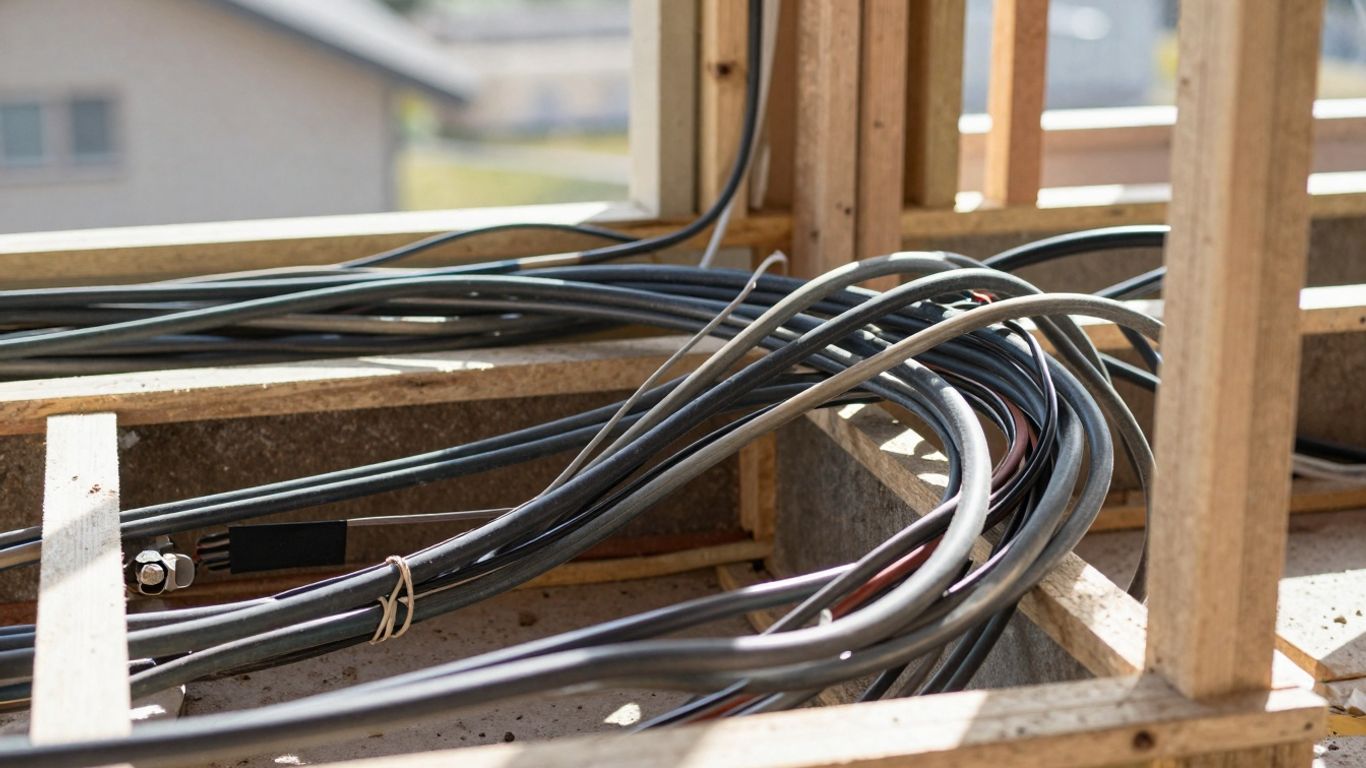
Even when a full building consent isn’t needed for your granny flat, the electrical work still needs to meet the Building Code. This code sets out the minimum standards for safety and performance. Think of it as the baseline for all construction, ensuring everything is safe for you and anyone who uses the building.
Acceptable Solutions For Electrical Compliance
To show your electrical work meets the Building Code, you can follow ‘Acceptable Solutions’. These are pre-approved methods and materials that are known to work. They provide a clear path to compliance without needing special permission for every detail. Your electrician will be familiar with these.
Records Of Work For Electrical Installations
Once the electrical work is done, you’ll need documentation. This usually involves a Record of Work (RoW) from the licensed electrician who carried out the job. This record confirms the work was completed to the required standards. It’s important proof that the installation is safe and compliant.
Keeping good records is always a smart move. It helps if you ever need to sell the property or if there’s a question about the electrical system down the line. It’s your proof of a job well done.
Here’s a quick look at what you might need:
- Record of Work (RoW): Issued by the licensed electrician.
- Electrical Safety Certificate: Confirms the installation is safe.
- Any relevant manufacturer’s instructions: For specific equipment installed.
This paperwork is vital for demonstrating that your granny flat’s electrical system is up to scratch, even without a full building consent process.
So, What’s the Takeaway?
Right then, it looks like the new rules for building a granny flat without a full building consent are set to make things a bit simpler, which is good news for many. Just remember, this exemption isn’t a free pass for everything. You’ll still need to make sure your build ticks all the boxes – think size, height, setbacks, and importantly, how it connects to services like water and wastewater. Don’t forget those boundary rules either; they’re still very much in play. It’s always best to have a good chat with your local council early on, even with these new exemptions, to avoid any nasty surprises down the track. Getting it right from the start means you can get on with enjoying your new space without a heap of hassle.