For small businesses in New Zealand, purchasing a forklift is often a strategic investment rather than a routine equipment upgrade. Forklifts can significantly improve efficiency, reduce manual handling risks, and streamline daily operations across warehousing, manufacturing, agriculture, and distribution environments.
However, selecting the wrong forklift can quickly lead to unnecessary expenses, compliance issues, and operational inefficiencies.
Small business owners typically face tighter budgets, limited space, and lower margins for error compared to larger organisations. This makes it especially important to understand how forklift specifications, operating costs, and regulatory requirements align with real-world business needs.
A considered approach helps ensure that the forklift supports productivity today while remaining viable as the business grows.
Why Forklift Selection Matters for Small Businesses in New Zealand
The Role of Forklifts in Small-Scale Operations
In many small businesses, a single forklift is responsible for a wide range of tasks. These can include unloading deliveries, moving stock within confined spaces, stacking pallets, and supporting outbound logistics. Because there is often no backup machine, reliability becomes critical to daily operations.
A forklift that is poorly matched to the workload can slow down processes and create workflow bottlenecks. Over time, this can impact customer service, staff productivity, and overall profitability.
Balancing Productivity and Budget Constraints
Small businesses must carefully balance operational efficiency with financial reality. While lower-cost forklifts may appear attractive initially, they can result in higher servicing costs, downtime, or limited functionality. A forklift that struggles with load requirements or manoeuvrability may reduce productivity rather than improve it.
Investing in a forklift that aligns with actual operating conditions helps avoid unnecessary compromises. This includes considering not just the purchase price, but also the total cost of ownership over several years.
Safety and Compliance Implications
Forklift selection also plays a role in workplace safety. Stable, well-maintained, and appropriately suited equipment helps reduce the risk of accidents. In New Zealand, businesses have a legal obligation to provide safe plant and equipment, regardless of company size.
Understanding Your Operational Requirements Before Buying a Forklift
Load Capacity and Typical Weights
Load capacity is one of the most important factors when choosing a forklift. Small businesses should identify both average and maximum load weights, including pallet weight and packaging. Regularly operating near maximum capacity can place strain on the forklift and increase safety risks.
Selecting a forklift with adequate capacity provides a safety buffer and improves long-term durability.
Lift Height and Storage Configuration
Lift height requirements depend on storage systems such as racking or shelving. Even small warehouses may require forklifts capable of reaching multiple levels. It is important to confirm that the forklift can lift loads safely to the highest required height while remaining stable.
Future changes to storage layout should also be considered when selecting mast height.
Indoor vs Outdoor Operating Conditions
Forklifts used indoors often require tighter turning circles, lower noise levels, and zero or low emissions. Outdoor use may demand greater traction, weather resistance, and higher ground clearance. Businesses that operate across both environments may need a more versatile solution.
Understanding where and how the forklift will be used prevents costly mismatches.
New vs Used Forklifts for Small Businesses in New Zealand
Cost Differences and Budget Planning
New forklifts typically involve higher upfront costs but may offer better fuel efficiency, modern safety features, and manufacturer warranties. Used forklifts can be significantly cheaper and are often appealing to small businesses with limited capital.
The key is ensuring that cost savings do not come at the expense of reliability.
Reliability and Maintenance Considerations
A used forklift with a documented service history can be a practical choice for many small operators. However, poorly maintained machines may require frequent repairs, increasing downtime and expenses. Inspection by a qualified technician is strongly recommended before purchase.
New forklifts generally offer predictable performance and lower short-term maintenance needs.
When a Used Forklift Makes Sense
Used forklifts may suit businesses with low operating hours, seasonal demand, or limited lifting requirements. For operations that rely heavily on daily forklift use, the long-term benefits of a new machine may outweigh the initial cost difference.
Choosing the Right Forklift Fuel Type for Your Business
Electric Forklifts for Indoor Use
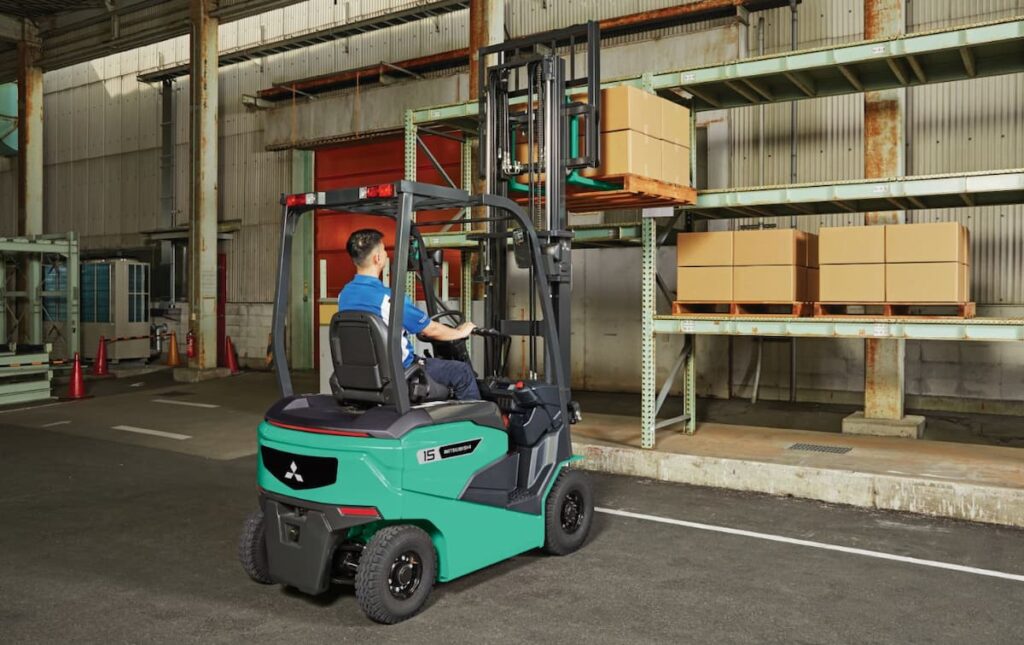
Electric forklifts are commonly used in indoor environments due to their quiet operation and zero emissions. They are well-suited to warehouses, food storage, and retail distribution centres. Lower ongoing energy costs can also be appealing for small businesses.
Battery maintenance and charging infrastructure should be factored into the decision.
LPG Forklifts for Versatility
LPG forklifts offer flexibility for businesses that operate both indoors and outdoors. They provide consistent power and quick refuelling, which can support higher utilisation rates. Emissions are lower than diesel but higher than electric alternatives.
This makes LPG a common choice for mixed-use operations.
Diesel Forklifts for Outdoor Applications
Diesel forklifts are typically used in outdoor or heavy-duty environments. They offer strong lifting power and durability but are less suitable for indoor use due to emissions and noise. Small businesses with yards or construction-related activities may find diesel forklifts appropriate.
Forklift Compliance, Safety, and Legal Requirements in New Zealand
Health and Safety Responsibilities
Under New Zealand health and safety legislation, businesses must ensure that forklifts are safe to operate and appropriate for the task. This includes maintaining equipment and addressing identified hazards.
Compliance applies equally to small and large businesses.
Operator Training and Certification
Forklift operators must be trained and competent. This typically involves formal forklift training and refresher courses. Investing in training reduces accident risk and supports compliance obligations.
Untrained operation can expose businesses to legal and financial consequences.
Ongoing Inspections and Servicing
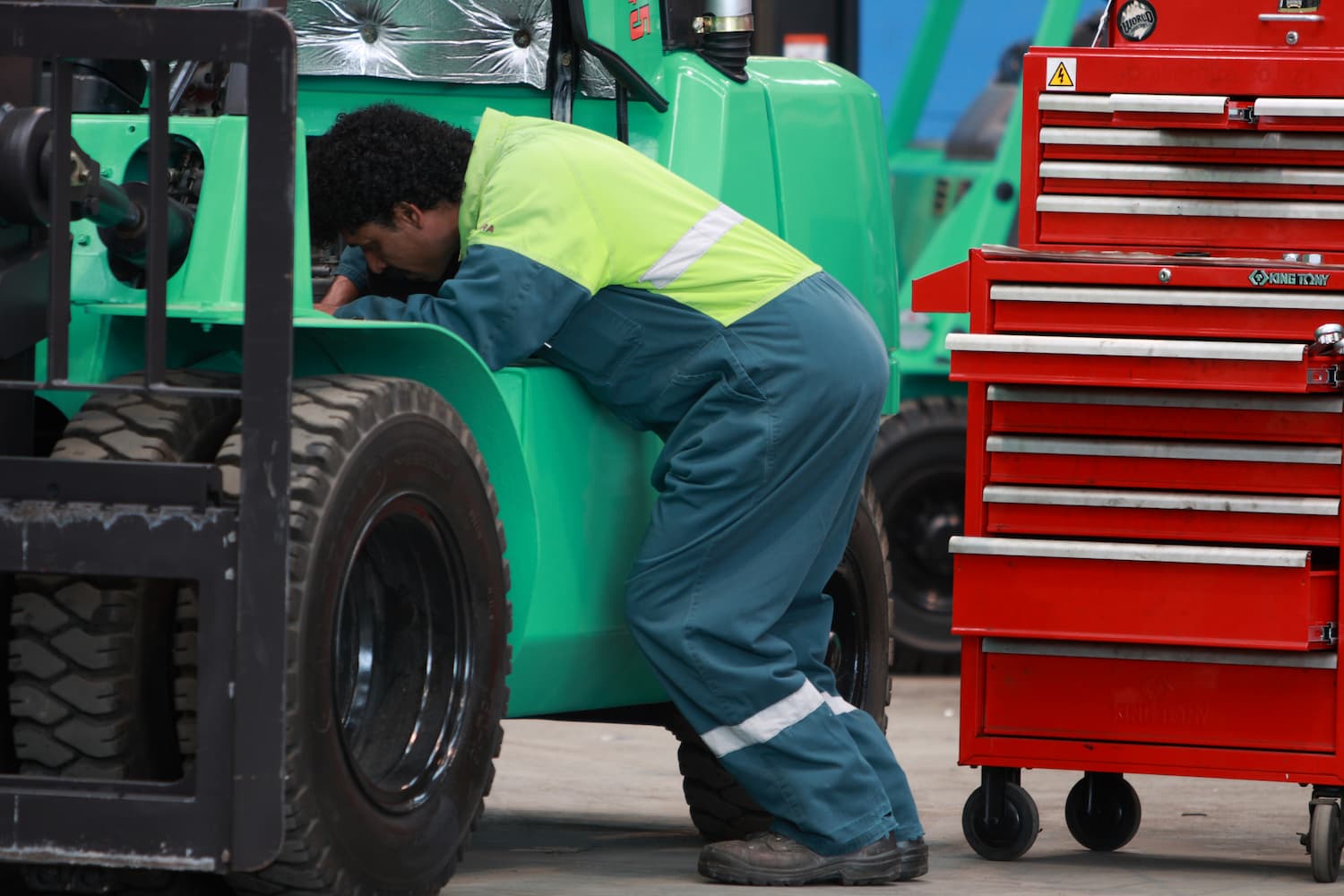
Regular servicing and inspections are essential for safe forklift operation. Keeping maintenance records demonstrates compliance and helps identify issues before they escalate into costly failures.
Budgeting Beyond the Purchase Price
Maintenance and Repair Costs
Forklifts require regular servicing, replacement parts, and occasional repairs. Small businesses should budget for these ongoing costs rather than focusing solely on the initial purchase.
Planned maintenance helps reduce unexpected downtime.
Fuel, Energy, and Battery Expenses
Fuel type directly affects operating costs. Electric forklifts involve electricity and battery replacement, while LPG and diesel forklifts incur fuel expenses. Understanding these costs supports more accurate budgeting.
Insurance and Downtime Risks
Insurance premiums and potential downtime should also be considered. A forklift out of service can halt operations entirely in small businesses with only one machine.
Supplier Selection and After-Sales Support
Choosing a Reliable Supplier
Working with a reputable forklift supplier provides access to quality equipment and expert advice. Local support is particularly valuable for small businesses that cannot afford prolonged downtime.
Parts Availability and Servicing
Readily available parts and local servicing technicians help minimise disruptions. Suppliers with strong nationwide support networks can be advantageous.
Service Agreements and Support Options
Service contracts may offer predictable maintenance costs and priority support. For small businesses, this can simplify budgeting and reduce operational risk.
Planning for Business Growth and Scalability
Anticipating Future Needs
A forklift purchase should consider future growth, including increased stock volumes or expanded premises. Choosing equipment with some additional capacity can avoid early replacement.
Flexibility for Changing Demand
Seasonal businesses may benefit from forklifts that can handle varying workloads without excessive wear. Flexibility supports long-term value.
Resale Value and Upgrade Pathways
Forklifts from recognised brands often retain stronger resale value. This can support future upgrades as business needs evolve.
Making an Informed Forklift Purchase Decision
Key Questions to Ask Before Buying
Small businesses should ask about service history, warranty options, operating costs, and suitability for their environment. Clear answers reduce uncertainty.
Inspections, Trials, and Demonstrations
Whenever possible, inspecting or trialling a forklift helps confirm that it meets expectations. This is particularly important for used equipment.
Aligning Equipment with Business Goals
Ultimately, the right forklift supports efficiency, safety, and sustainable growth. A thoughtful purchasing decision helps small businesses in New Zealand maximise value while minimising risk.