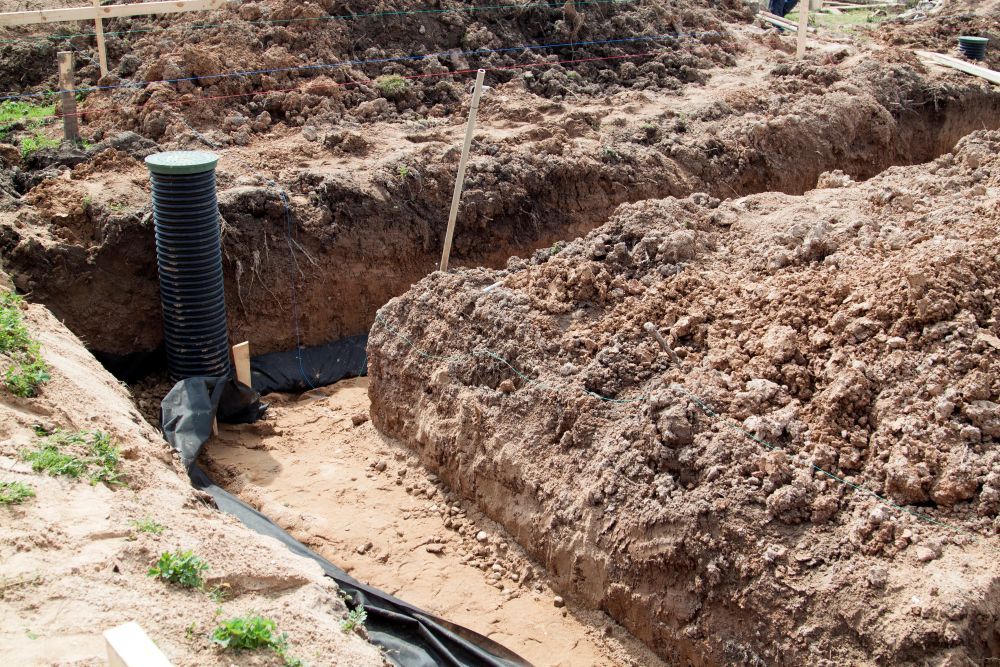
Right, let’s talk septic tanks. If you’re living out in the sticks or just have one attached to your place, you’ve probably heard a few things about them. Some of it might even be true. But there’s a whole heap of myths floating around that can cause more trouble than they’re worth. We’re going to cut through the noise and give you the lowdown on what you really need to know about keeping your septic system happy, especially here in New Zealand.
Key Takeaways
- Septic tanks aren’t just simple ‘set and forget’ holes in the ground; they’re complex systems needing regular attention. Think of them more like a grumpy old relative – they need feeding and checking, or they’ll make a fuss.
- What you chuck down the drain really matters. Things like wet wipes, excessive grease, and harsh chemicals can do a real number on the good bacteria that keep your septic system running smoothly.
- Pumping isn’t the only maintenance your septic system needs. Regular inspections by a professional are vital to catch small issues before they turn into expensive disasters.
- Don’t believe the hype about magic additives or remedies. The best way to look after your septic tank is through proper use and professional servicing, not by pouring random stuff down the loo.
- Your septic system has a lifespan, and neglecting it is a surefire way to shorten it dramatically, leading to costly repairs or even a full replacement down the track. Prevention really is cheaper than a cure.
Debunking Common Septic Tank Myths
Right then, let’s get stuck into some of those septic tank myths that seem to float around more than a rogue rubber duck. You know, the ones that make you think, ‘Is that actually true?’ We’re here to sort the fact from the fiction, so you can keep your system humming along nicely without any nasty surprises.
Are Septic Tanks Just Old, Basic Tanks?
Some folks reckon a septic tank is just a big old concrete box doing its thing underground, and that’s that. While the basic idea hasn’t changed much over the years, modern septic systems are a bit more sophisticated than that. They come in different materials like plastic or fibreglass, and the designs are way more efficient these days. They’re built to handle your household’s waste without causing a fuss, and they’re designed to last.
The ‘Set And Forget’ Fallacy
This is a biggie. The idea that you can just install a septic tank and then completely forget about it? Yeah, nah. That’s a recipe for disaster, mate. These systems need a bit of TLC to keep them working properly. We’re talking regular check-ups and the occasional pump-out. Ignoring it is like ignoring a leaky tap – it might seem small now, but it’ll turn into a much bigger, more expensive problem down the track.
Neglecting your septic system’s maintenance is a sure-fire way to invite costly repairs and potential environmental headaches. It’s always better to be proactive than reactive when it comes to your tank.
Septic Systems And Environmental Impact
There’s a bit of a rumour mill going about septic tanks being bad for the environment. Now, if they’re installed poorly or not looked after, sure, they can cause issues. But a well-maintained system, especially in areas without town sewers, can actually be a pretty decent way to manage waste. They do a fair bit of natural filtering, and when everything’s working right, they’re not the environmental villains some people make them out to be. It’s all about getting the right setup and keeping on top of the maintenance. If you’re looking into septic tank replacement in Auckland, making sure it’s installed correctly is the first step to a happy environment and a happy tank.
Understanding Your Septic System’s Needs
Right then, let’s get down to brass tacks about what your septic system actually needs to keep humming along nicely. It’s not just a big underground bin for your waste, you know. Think of it more like a living, breathing (well, sort of) ecosystem that needs a bit of care and attention. Ignoring its needs is a surefire way to end up with a stinky surprise in your garden, or worse, your house.
What Really Goes Down The Drain?
This is a biggie. You might think your toilet and drains are a free-for-all, but they’re not. Only human waste and toilet paper should ever be flushed down the loo. Seriously, that’s it. Everything else – wet wipes (even the ‘flushable’ ones, don’t get me started), sanitary products, cotton buds, fats, oils, and grease – they all cause problems. They can clog things up, disrupt the natural bacteria that do the hard work, and lead to some seriously expensive repairs. It’s about educating the whole household on what’s a no-go.
The Role Of Water Usage
How much water you use has a direct impact on your septic system. If you’re constantly running the washing machine, taking marathon showers, or have leaky taps, you’re sending a lot of liquid into the tank. This can overwhelm the system, meaning it can’t process the waste effectively. It’s not just about saving on your water bill; spreading out your water use throughout the day, fixing leaks promptly, and maybe even looking at water-saving appliances can make a real difference to your septic tank’s workload. Less water in means less work for the system.
Chemicals: Friend Or Foe To Your Septic Tank?
This is where things get a bit tricky. While septic systems are designed to break down waste, they’re not invincible. Harsh chemicals, strong cleaning products, bleach, drain cleaners, and even some antibacterial soaps can kill off the beneficial bacteria that are essential for the breakdown process. Without these little helpers, your tank just won’t work properly. It’s best to stick to septic-safe cleaning products. If you’re unsure about a product, it’s always better to err on the side of caution and avoid flushing it down the drain. A quick check online or a chat with us can save you a heap of trouble.
Your septic system relies on a delicate balance of bacteria to function. Introducing harsh chemicals or non-flushable items can upset this balance, leading to system failure and costly repairs. Think of it as a tiny ecosystem that needs protecting.
When it comes to installing a new system, especially if you’re looking at options in Hamilton, it’s vital to get it right from the start. Choosing the correct system for your property and ensuring it’s installed by professionals is key to avoiding future headaches. You can find out more about proper septic installation to get a head start.
Maintenance: More Than Just Pumping
When Is Pumping Truly Necessary?
Look, we get it. Nobody enjoys thinking about pumping out their septic tank. It sounds like a hassle, and let’s be honest, it’s not exactly a cheap job. This often leads people to believe it’s better to just wait until something goes wrong, then deal with repairs. But here’s the kicker: ignoring your tank until it’s overflowing or causing problems is a surefire way to end up with a much bigger, much more expensive headache down the track. Regular pumping, usually every three to five years depending on your household size and usage, is the most cost-effective way to keep your system happy and healthy.
The Myth Of Additives And Home Remedies
You might have heard whispers or seen ads for miracle additives, or maybe even tried the old ‘yeast in the loo’ trick. The idea is that these potions will magically keep your tank clean and prevent the need for pumping. While your septic tank does rely on natural bacteria and enzymes to break down waste, these commercial additives or home remedies are rarely a substitute for a proper pump-out. In fact, some can even mess with the delicate balance of your system. Stick to what the professionals recommend – don’t go experimenting with your plumbing!
The Importance Of Regular Inspections
Think of regular inspections like a check-up with your doctor. You don’t wait until you’re seriously ill to see them, right? The same applies to your septic system. A qualified technician can spot potential issues – like sludge build-up that’s getting a bit too high, or minor leaks – long before they become major disasters. Catching these things early means simpler, cheaper fixes. It’s all about preventative care to avoid those gut-wrenching repair bills and keep your system running smoothly for years to come.
Regular maintenance isn’t just about pumping; it’s about understanding your system’s needs and addressing them proactively. Skipping check-ups is like playing Russian roulette with your wastewater.
Here’s a quick rundown of what to look out for:
- Sludge Levels: Too much sludge means the tank can’t do its job properly.
- Effluent Filter: If you have one, it needs regular cleaning to prevent blockages.
- Drainfield Health: Signs of soggy ground or bad smells could indicate a problem.
- Pipework: Check for any obvious leaks or damage around the tank and pipes.
Septic System Lifespan And Costs
Repair Versus Replacement: A Costly Misconception
Lots of folks reckon it’s cheaper to just fix their septic system when it breaks, rather than bother with regular pumping. It’s a common thought, especially when you see the bill for a pump-out. But here’s the kicker: ignoring maintenance and waiting for a breakdown often leads to much bigger, scarier bills down the track. A full system failure can mean a complete, and very expensive, replacement.
Think of it like your car. You wouldn’t wait for the engine to seize before getting an oil change, would you? Same idea applies here. A bit of regular upkeep, like pumping every few years, is way more cost-effective than dealing with a major disaster. It keeps things running smoothly and prevents those eye-watering repair costs that can sneak up on you.
Real-World Septic System Care In NZ
Right then, let’s talk about actually living with a septic tank here in Aotearoa. It’s not all doom and gloom, and you don’t need to live in fear of flushing the loo. Most of the time, your system is tougher than you think. We’ll break down how to handle everyday stuff without causing a plumbing catastrophe.
Handling Laundry Day With A Septic Tank
This is where a lot of the myths seem to kick off, especially around washing cloth nappies. You might have heard you need special detergents or to avoid bleach like the plague. Honestly, that’s mostly a load of old cobblers. Your standard laundry detergents, even the ones with a bit of phosphorus, are generally fine. They break down well enough. And that bleach you use for sanitising? A little bit in the wash water is usually no drama at all for a healthy septic system. The key is not to go overboard and to spread your washing out over the week.
Your septic system is designed to handle normal household wastewater, including regular detergents and occasional bleach. It’s not some delicate flower that wilts at the first sign of a cleaning product.
Here’s a quick rundown for laundry day:
- Detergents: Most mainstream and eco-friendly detergents are okay. Avoid anything with benzalkonium chloride (BAC) – that’s the stuff that actually kills the good bacteria. Check the label if you’re unsure.
- Bleach: Small amounts used for sanitising, like with cloth nappies, are generally fine. It breaks down into salt and water pretty quickly.
- Water Usage: Try not to do all your washing in one go. Spread it out over a couple of days to avoid overwhelming the tank.
Accessing Your Septic System For Maintenance
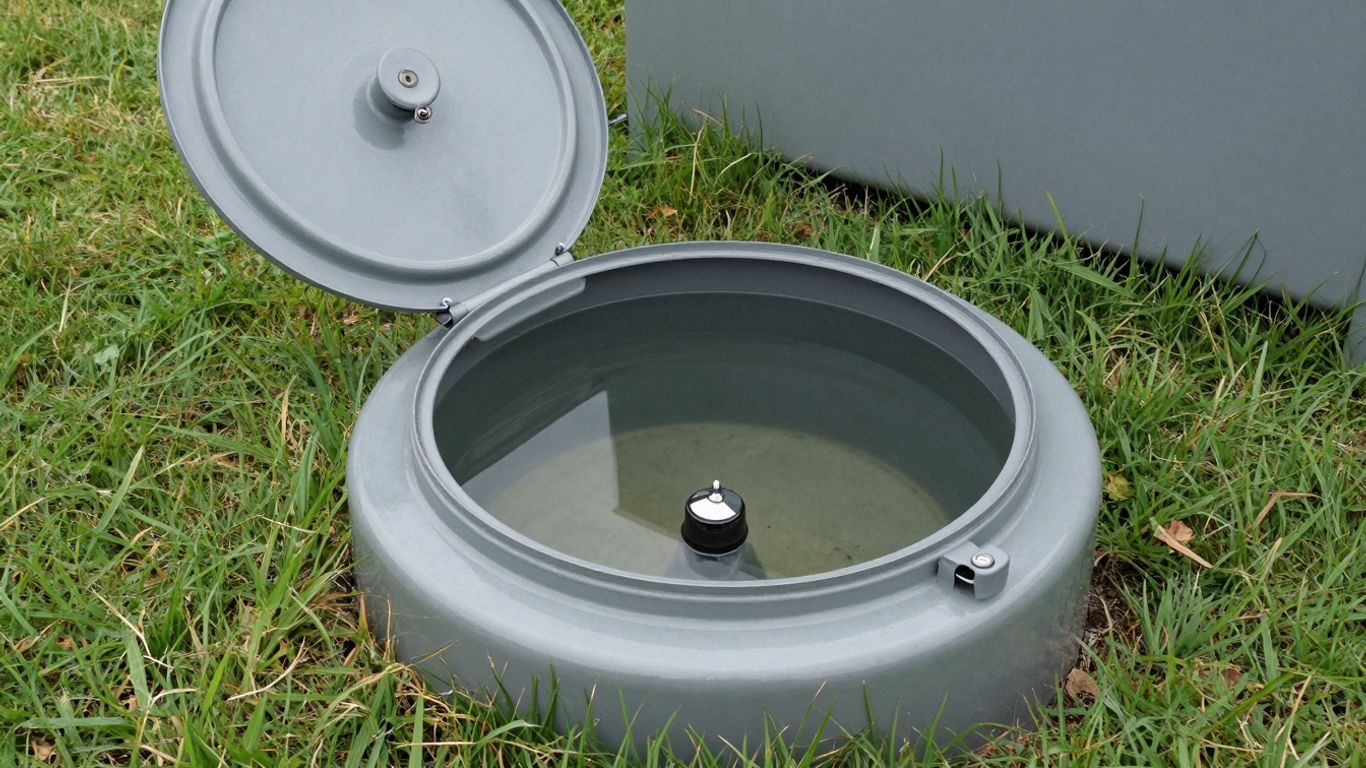
So, you know you need to get it pumped or inspected now and then. But where is it? And how do you get to it? Usually, your septic tank lid is buried somewhere in your yard. It’s often marked by a concrete or plastic lid. If you’ve bought a property with a septic system, the previous owners might have left plans, or your local council might have records. If not, a quick chat with a septic service company can help them locate it for you. Don’t just guess where it is and start digging – you could damage the tank or pipes.
When it’s time for a service, the technician will need clear access to the lid. Make sure any garden beds, paving, or structures aren’t directly on top of it. It’s a good idea to keep the area around the lid clear, just in case.
Ventilation: Preventing Potential Explosions
Okay, ‘explosions’ sounds a bit dramatic, but it’s a real thing if your system isn’t vented properly. Septic tanks produce gases as the waste breaks down. These gases are usually harmless and escape through your plumbing vents. If those vents get blocked, or if the system isn’t designed with proper ventilation, those gases can build up.
This build-up can create pressure and, in rare cases, lead to serious issues. It’s why having a properly installed and maintained plumbing vent system is so important. It’s not just about stopping smells; it’s about safety.
If you ever notice persistent, strong smells coming from your drains or around your tank area, don’t ignore it. It could be a sign that your ventilation isn’t up to scratch, and it’s definitely time to get a professional to take a look. They can check your vents and the overall health of your system.
So, What’s the Takeaway?
Look, we’ve gone through a fair bit here, and hopefully, you’re feeling a bit clearer about what actually goes on with your septic tank. It’s not some magical black box that needs a miracle cure. Mostly, it’s about common sense: don’t chuck weird stuff down the loo, keep an eye on water usage, and for goodness sake, get a professional to have a look every few years. Trying to guess when it needs a pump-out or relying on those ‘miracle’ additives is just asking for trouble – and a hefty bill down the track. Think of it like your car; a bit of regular TLC stops it from breaking down spectacularly on the side of the road. So, do yourself a favour, book that service, and stop worrying about the ‘what ifs’.